2026 Best Scalp Analyzers What Do They Actually Detect?

Time:2026-10-25 Author:Henry
0%

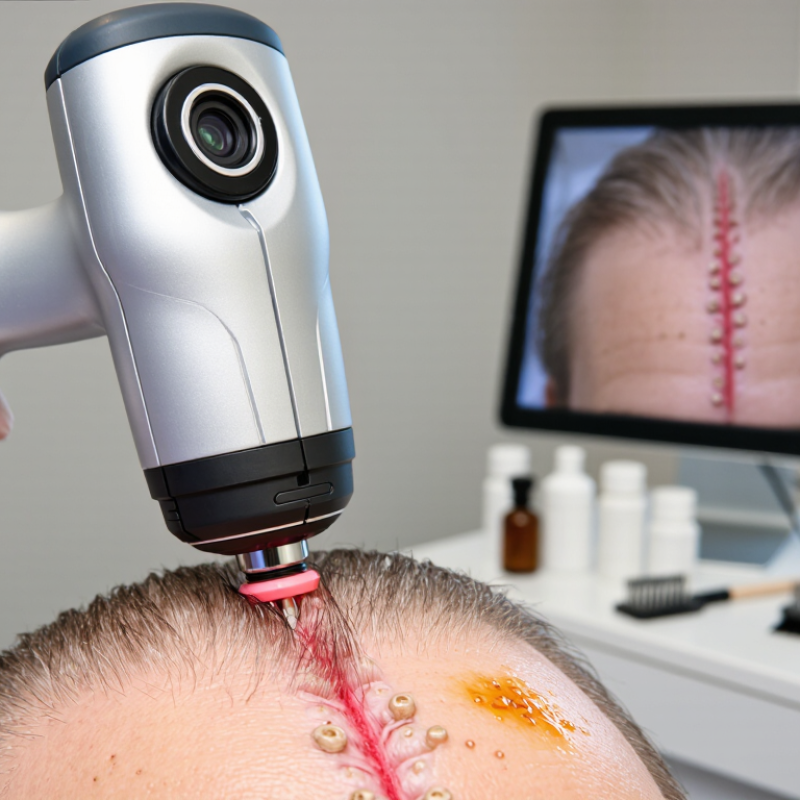
A scalp analyzer promises clarity, but its camera and sensors do not reveal every scalp problem. So, what does a scalp analyzer actually detect? In most professional settings, it measures or visualizes surface conditions, including oil, dryness, flakes, redness, pore appearance, follicle openings, and hair density. Some devices also estimate hydration, pH, temperature, or sebum levels.

The details can look surprisingly ordinary. A magnified image may show greasy film near the hairline, fine white scaling, or several empty follicular openings. These observations help a trained professional compare scalp areas and track changes over time. Dermatologist and hair-disorder specialist Dr. Antonella Tosti has stated, “Trichoscopy is a useful diagnostic tool in patients with hair loss.” Her point matters because imaging supports assessment; it does not replace clinical judgment.

Numbers can mislead. A device may report “high oil” after exercise, styling-product use, or infrequent washing. A red patch may reflect irritation, but the image alone cannot establish its cause. Lighting, camera pressure, hair colour, and operator skill can also change the reading. That is an uncomfortable limitation.

The best analyzers create useful evidence, not dramatic promises. They can document visible patterns, guide questions, and show whether a routine appears to change the scalp. They cannot reliably diagnose psoriasis, fungal infection, alopecia, or other medical conditions without proper examination. In 2026, buyers should examine sensor details, calibration methods, privacy practices, and professional validation. A polished screen is not proof. The real value lies in careful interpretation, repeatable measurements, and knowing when a dermatologist should take over.
2026 Best Scalp Analyzers What Do They Actually Detect?

What a Scalp Analyzer Is and Why It Is Used

A scalp analyzer is a camera-based tool that magnifies the scalp and hair for closer observation. It may reveal oil buildup, dry flakes, redness, clogged follicle openings, and visible irritation. Some systems also estimate moisture, sebum, hair density, or strand thickness through image analysis. These readings are useful clues, not medical diagnoses.

In practice, a professional compares enlarged images from different scalp areas. The crown may look oilier than the temples. A close image can also show broken hairs, uneven density, or residue near the roots. This makes consultations more specific than a quick visual check. However, lighting, camera pressure, hair products, and recent washing can change the result. I have found that numbers may appear precise, but their meaning still requires trained interpretation. The device observes surfaces. It does not explain every cause.

Tips: Wash according to your usual routine before testing. Avoid heavy styling products that may hide flakes or buildup. Ask where each image was taken and what the result actually measures. Take follow-up images under similar conditions. Small differences can be misleading. If you notice persistent itching, pain, sores, or sudden shedding, seek qualified medical advice rather than relying on an analyzer alone.

How Scalp Analyzers Capture and Process Scalp Data

2026 Best Scalp Analyzers: What Do They Actually Detect?

A scalp analyzer turns a close-up view into measurable data. Its camera uses magnification, controlled lighting, and sometimes polarized light. These methods reveal oil shine, flakes, redness, follicle openings, and visible irritation. Some systems estimate hair density, shaft thickness, and coverage from repeated images. They do not directly measure every scalp condition.

The device captures several images from selected scalp areas. Software then adjusts brightness, reduces visual noise, and separates colors or textures. Algorithms compare the images with reference patterns. A trained professional reviews these results instead of accepting every automated score. Numbers can look precise. They may still depend on camera angle, wet hair, lighting, or recent product use.

A clean image can mislead.

For reliable tracking, the same location, distance, and lighting should be used each time. Hair should also be prepared consistently, because oil or styling residue can change the reading. In practice, analyzers are useful for documenting visible changes, discussing care routines, and deciding when professional assessment may be appropriate. They cannot replace a clinical examination or confirm a diagnosis alone. I would also question unusually confident reports, especially when the device offers a single cause for several visible signs. Scalp data needs context, and context is often the part technology captures least.

Which Scalp Conditions and Features They Can Actually Detect

2026 Best Scalp Analyzers: What Do They Actually Detect?

The best scalp analyzers detect visible features, not every scalp disease. High-resolution cameras can show follicle openings, hair density, shaft thickness, redness, flakes, and oily shine. Some systems estimate moisture and sebum through optical or sensor readings. These details may reveal patterns linked with dandruff, seborrheic dermatitis, psoriasis, or androgenetic hair loss. They cannot confirm those conditions alone. The American Academy of Dermatology reports that hereditary hair loss affects about 80 million people in the United States. That scale makes measurement useful, but interpretation remains clinical.

A close image may show miniaturized hairs beside thicker strands. It may also reveal broken hairs, yellowish scale, or patchy redness. Trichoscopy research supports these features as valuable clues for hair-loss assessment. However, an analyzer usually cannot prove fungal infection, scarring alopecia, or an allergy. Lighting, hair products, recent washing, and camera pressure can distort results. I would not treat a colorful heat map as a diagnosis. The weak point is context.

Tips: Scan the same area under similar lighting. Record washing time, itching, shedding, and product use. Compare images over several weeks, not one dramatic snapshot. Ask a qualified dermatologist to review persistent pain, bleeding, sudden shedding, or expanding patches. A device can measure change. It cannot explain every cause.

2026 Best Scalp Analyzers: What Do They Actually Detect?

Which scalp conditions and measurable features can be assessed—and where the technology has clear limitations.

Analyzed Feature or Condition What the Analyzer Actually Measures What the Results May Help Assess What It Cannot Reliably Confirm Detection Strength
Hair density Visible hair shafts within a defined image area, often reported as hairs per square centimeter. Reduced density, regional thinning, and changes between standardized follow-up images. The exact medical cause of hair loss, such as androgenetic alopecia, alopecia areata, or telogen effluvium. Direct measurement
Hair shaft diameter The apparent thickness of individual hair shafts under magnified imaging. Variation in shaft diameter, miniaturization patterns, and possible breakage or cosmetic damage. A definitive diagnosis of a specific form of alopecia without clinical history and examination. Direct measurement
Hair growth-cycle patterns Visible proportions of terminal hairs, finer hairs, empty follicular openings, and regrowth in selected areas. Changes that may be consistent with miniaturization, diffuse shedding, or recovery over time. Precise anagen or telogen percentages unless a validated trichology method is used; it cannot identify the underlying trigger alone. Indirect assessment
Scalp redness and erythema Color and intensity differences in the visible scalp, sometimes enhanced by polarized or multispectral lighting. Areas of visible inflammation, irritation, vascular prominence, or treatment-related change. Whether redness is caused by seborrheic dermatitis, psoriasis, contact dermatitis, infection, or another condition. Pattern-based
Flaking and scale Visible quantity, distribution, and approximate size of scalp flakes or adherent scale. Presence of surface scaling and changes after cleansing or treatment. The exact diagnosis or whether the scale is due to dandruff, psoriasis, eczema, product buildup, or fungal disease. Visible feature
Sebum or oiliness Surface oil or sebum level measured by an optical estimate, absorbent strip, or dedicated sebum sensor. Relative oiliness between scalp areas and changes over time under similar conditions. A diagnosis of seborrheic dermatitis, acne, or hormonal imbalance; sebum readings vary with washing, products, and environment. Context-dependent
Scalp hydration Electrical or optical estimates associated with water content in the superficial skin layer. Relative dryness or hydration differences when testing conditions are standardized. Skin-barrier integrity, eczema, allergy, or the medical cause of dryness. Relative estimate
Surface pH The acidity or alkalinity of the scalp surface using a contact pH sensor or test strip. Comparison of surface pH before and after products or cleansing routines. Scalp health by itself; pH alone cannot diagnose infection, inflammation, or hair-loss disorders. Parameter only
Follicular openings and pores Magnified visualization of follicular openings, perifollicular skin, and obstruction by scale or sebum. Follicle visibility, apparent plugging, clustering, and structural changes that may warrant further assessment. Scarring alopecia or other follicular disorders with certainty; interpretation requires trained clinical examination. Clinician-dependent
Broken hairs and split ends Magnified images of hair shafts showing fractures, irregular tips, or surface damage. Mechanical, chemical, or thermal damage and the difference between breakage and shedding from the root. The reason for the damage unless hair-care history and physical examination are also considered. Visible feature
Follicular plugs or casts Visible material surrounding or attached to emerging hair shafts, including scale, keratin, or sebum. Surface buildup and abnormalities around follicular openings. Whether the material represents psoriasis, seborrheic dermatitis, infection, or another disorder. Needs interpretation
Scalp temperature Surface temperature distribution measured by infrared thermal imaging. Relative heat patterns that may reflect blood flow, inflammation, occlusion, or environmental effects. A specific scalp diagnosis, infection, or reliable assessment of hair-follicle activity. Limited specificity
UV fluorescence or surface fluorescence Fluorescent or reflective changes under ultraviolet illumination, when present. Some surface materials, product residues, or patterns that may support additional examination. A definitive diagnosis of fungal infection; fluorescence can be absent, nonspecific, or affected by products and hair color. Supplementary only
Possible microbial or fungal activity Usually inferred from visible patterns, fluorescence, odor, or image-based algorithms rather than directly measured. Identification of areas that may require clinical testing, microscopy, or laboratory culture. The presence or species of fungus, bacteria, or yeast; imaging cannot replace laboratory confirmation. Not diagnostic
Scarring versus non-scarring pattern Visibility of follicular openings, hair-shaft changes, perifollicular scale, and regional loss patterns. Features that may raise concern for scarring or non-scarring hair loss and indicate the need for medical evaluation. A definitive diagnosis or disease subtype; biopsy may be required in uncertain cases. Referral-supporting
Treatment progress Repeated measurements or images of the same scalp area under comparable lighting, magnification, and hair length. Changes in density, shaft diameter, flaking, redness, oiliness, or visible regrowth. Whether improvement is caused by a particular product or whether a treatment is medically appropriate. Best for tracking

Important: Scalp analyzers primarily provide measurements, images, and pattern-based observations. They can support screening and progress tracking, but they generally cannot diagnose a scalp disease, identify a pathogen, or determine the cause of hair loss without a qualified clinical assessment.

What Scalp Analyzer Results Cannot Reliably Diagnose

2026 Best Scalp Analyzers: What Do They Actually Detect?

A scalp analyzer can make an invisible routine feel concrete. In practice, it may capture magnified images of oil, flakes, redness, pore visibility, hair-shaft thickness, and apparent density. Some systems estimate hydration or sebum levels from surface measurements. These readings are useful snapshots, not medical facts. Lighting, recent washing, styling products, sweat, and camera pressure can change the result. A dry-looking patch after shampooing may not represent your usual scalp condition. That distinction matters.

Results cannot reliably diagnose alopecia, psoriasis, seborrheic dermatitis, fungal infection, hormonal imbalance, or skin cancer. They also cannot prove why shedding occurs. A density map may show fewer visible hairs, but it cannot distinguish breakage from follicle miniaturization. Redness might reflect irritation, sun exposure, scratching, or inflammation. Only a qualified clinician can connect symptoms, history, examination, and appropriate tests. Even then, diagnosis is sometimes uncertain and needs follow-up. I have seen people overreact to one dramatic image. That is an easy mistake.

Tips: Use the analyzer under similar conditions each time. Avoid checking immediately after oiling or heavy product use. Photograph persistent changes and record itching, pain, shedding, and wash frequency. Ask what was measured, how accurate the device is, and whether the result has been clinically validated. Seek professional assessment for bleeding, severe pain, sudden patchy loss, crusting, or changes that persist. Do not treat a score as a prescription.

How to Compare the Best Scalp Analyzers in 2026

How to Compare the Best Scalp Analyzers in 2026

The best scalp analyzers in 2026 should measure more than a magnified image. Compare how clearly each device shows oil, dryness, flakes, redness, and surface buildup. Some systems also estimate hair density or follicle visibility. These readings can guide care, but they cannot diagnose medical conditions. A red patch may reflect irritation, lighting, or another cause. That uncertainty matters.

Look for consistent lighting, adjustable magnification, and repeatable results. A useful analyzer should capture the same area under similar conditions. Check whether its software explains measurements in plain language. Reliable systems should separate observed data from cosmetic suggestions. They should also protect uploaded images and explain how long records remain stored. In practice, ease of cleaning matters too. A dusty lens can quietly reduce accuracy.

Tips: Test several areas, including the hairline, crown, and behind the ears. Take images before applying oils or styling products. Compare readings over time, not after one scan. Ask whether a trained professional reviews unusual findings. I would not trust a colorful score alone. Numbers look precise, but they may hide weak calibration or limited evidence. A simple, well-documented device can be more useful than a complicated one. Be willing to question the result.

FAQS

What can a scalp analyzer actually detect?

It can show flakes, oiliness, redness, follicle openings, hair density, and shaft thickness. A close image may reveal broken hairs or yellowish scale. These are visible clues, not final diagnoses.

Can a scalp analyzer diagnose dandruff or psoriasis?

No. It may show patterns linked with dandruff, seborrheic dermatitis, or psoriasis. A clinician must interpret symptoms, history, and examination findings. One image is not enough.

Can it confirm fungal infection or scarring hair loss?

Usually not. It cannot reliably prove infection, scarring alopecia, or allergy. Additional clinical assessment may be needed. The camera cannot explain every cause.

Can the device measure scalp oil and moisture?

Some systems estimate sebum or moisture through optical or sensor readings. These measurements are surface snapshots. Recent washing, sweat, or styling products can change them.

Can it explain sudden hair shedding?

No. It may show fewer visible hairs or thinner strands. It cannot distinguish breakage from follicle miniaturization by itself. The cause may remain unclear.

How should I prepare for a scalp scan?

Scan under similar lighting each time. Avoid heavy oils and styling products beforehand. Record washing time, itching, shedding, and product use. Small details matter.

How can I compare results accurately?

Photograph the same areas repeatedly, such as the hairline, crown, and behind the ears. Compare images over several weeks. Do not trust one dramatic heat map. I might overread it.

When should I seek professional assessment?

Seek advice for persistent pain, bleeding, crusting, sudden shedding, or expanding patches. Also seek help when changes continue despite routine care. A device can measure change. It cannot explain everything.

Conclusion

A scalp analyzer is a digital imaging and assessment tool used to examine the scalp and hair more closely than the naked eye can. But what does a scalp analyzer actually detect? By using magnified images, lighting, and software-based processing, it may identify visible features such as excess oil, dryness, flaking, redness, clogged follicles, uneven scalp texture, hair density, and signs of buildup. Some systems can also compare images over time, helping users track changes and evaluate whether a care routine is improving scalp conditions.

However, scalp analyzers do not provide a complete medical diagnosis. Their results may be affected by lighting, hair products, image quality, and user technique, and they cannot reliably confirm infections, hormonal disorders, autoimmune conditions, or the exact cause of hair loss. When comparing the best scalp analyzers in 2026, consider image clarity, measurement consistency, software interpretation, ease of use, data privacy, and whether the device clearly distinguishes visual observations from professional medical conclusions.

Henry

Henry

Henry is a dedicated marketing professional with a profound expertise in the company's offerings. With years of experience in the industry, he possesses an impressive understanding of the market dynamics and consumer behaviors that drive success. Henry is committed to sharing his insights through......