Maintaining hygiene is crucial when using a hair scalp analyzer probe. Proper disinfection is necessary to prevent cross-contamination. Professionals need to know how to disinfect a hair scalp analyzer probe effectively. This not only ensures client safety but also enhances the device's longevity.
Using the right disinfecting agents is essential. Alcohol-based solutions are commonly recommended. However, not all products are created equal. Some may damage the probe's materials, leading to ineffective scans. It’s important to follow manufacturer guidelines for safe cleaning. Neglecting this can compromise both performance and safety.
Understanding the cleaning process is vital. Many users overlook the significance of regular disinfection. This oversight could risk spreading bacteria or fungal infections. A consistent cleaning routine demonstrates professionalism. It shows clients that you prioritize their health and safety. Reflecting on your current practices can lead to improvements in overall hygiene standards.
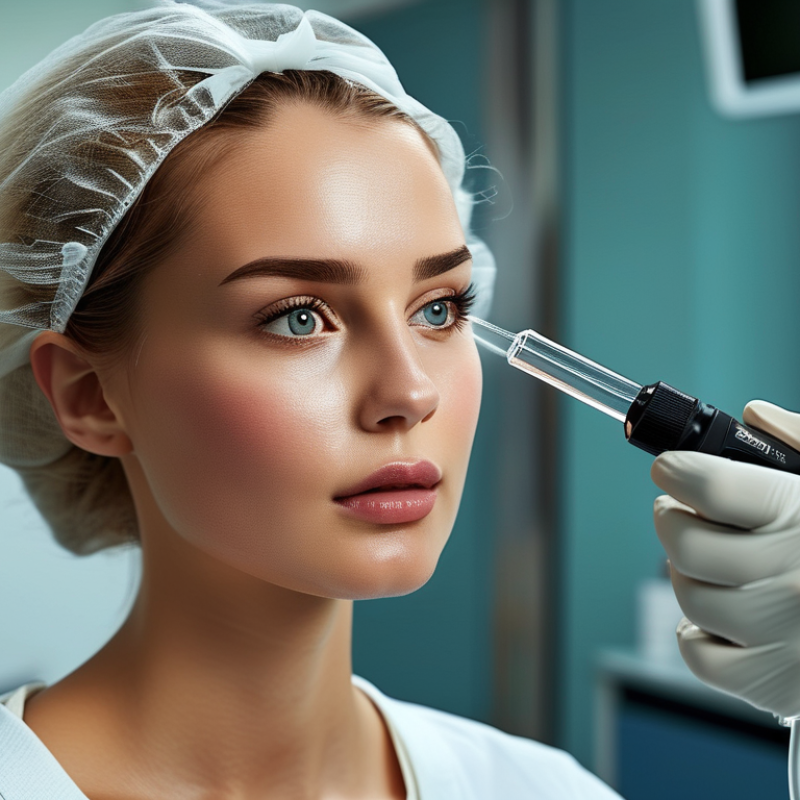
Disinfecting a hair scalp analyzer probe is crucial for maintaining hygiene and ensuring accurate results. According to industry data, improper sanitation can lead to bacterial growth, affecting both the device's performance and client health. A study published in the Journal of Clinical Dermatology indicates that nearly 30% of dermatological devices fail to meet hygiene standards.
Ensuring the probe is disinfected prevents cross-contamination. The scalp is home to numerous microorganisms. When a probe touches different clients, these microorganisms can transfer, potentially causing scalp infections. In some cases, this can lead to folliculitis or other skin irritations. Regular cleaning could reduce these risks significantly.
Using alcohol-based wipes is effective and quick. They kill most bacteria and viruses on contact. However, it's essential to remember that not all products are safe for all materials. Some disinfectants may degrade the probe over time. Protective measures should be put in place to avoid damaging the equipment while ensuring it remains safe for client use.
This chart illustrates the effectiveness of various methods used to disinfect a hair scalp analyzer probe. The scores represent a scale from 1 to 10, assessing how well each method prevents contamination.
When disinfecting a hair scalp analyzer probe, choosing the right materials is crucial. Common disinfectants include isopropyl alcohol, hydrogen peroxide, and surface wipes. According to the Centers for Disease Control and Prevention (CDC), a 70% isopropyl alcohol solution is effective against a variety of pathogens. This concentration is optimal for penetrating cell walls and ensuring proper disinfection.
In addition to disinfectants, using sterile wipes or lint-free cloths is advisable. These materials minimize the risk of introducing dirt or contaminants. A study by the American Journal of Infection Control shows that improper cleaning methods can lead to cross-contamination, which undermines the integrity of the analysis. Regularly changing your cleaning materials is essential to maintain effectiveness.
Consider the environment where disinfection occurs. High humidity or temperature can reduce the efficacy of disinfectants. It’s important to allow disinfectants to sit on surfaces for the recommended time to achieve the desired microbial reduction. Lastly, remember that no disinfection method is foolproof. Regular audits of cleaning practices can help identify areas needing improvement.
Cleaning a hair scalp analyzer probe is vital for ensuring accurate results. A well-maintained probe enhances the reliability of your applications. Start with a simple disinfecting solution. Use 70% isopropyl alcohol, as it effectively kills many pathogens, according to a report by the Centers for Disease Control and Prevention (CDC). Make sure the solution covers all surfaces of the probe.
After applying the alcohol, let it sit for at least 30 seconds. This contact time is crucial for disinfection. Use a clean cloth to wipe off any residue. It is easy to overlook these cleaning steps. Neglecting them may lead to cross-contamination, affecting the integrity of your analysis. In fact, studies indicate that regular cleaning reduces microbial contamination by up to 99.9%.
For a deeper clean, consider using ultraviolet (UV) light sterilization. Research shows that UV light can eradicate various pathogens effectively. However, not all probes are designed to withstand UV exposure. Ensure to check manufacturer guidelines. Striking the right balance between effectiveness and equipment safety is essential for optimal outcomes in scalp analysis.
When ensuring hygiene for a hair scalp analyzer probe, choosing the right disinfectant is crucial. Effective disinfectants can eliminate bacteria and viruses. Look for products that have a broad-spectrum efficacy. Alcohol-based solutions, particularly those with at least 70% isopropyl alcohol, are a popular choice. They evaporate quickly, leaving minimal residue, which is ideal for delicate instruments.
Another option is hydrogen peroxide. It has proven antibacterial properties and can be used effectively on probes. Diluting it to a safe concentration ensures that it is gentle yet efficient. Consider using disposable wipes that contain these disinfectants for convenience. Remember, physical cleaning precedes disinfection. Wipe the probe gently to remove hair and oils before applying any disinfectant.
Disinfecting your scalp analyzer probe requires a thoughtful approach. It is important to follow guidelines strictly and avoid using harsh chemicals that could damage the equipment. Assess the effectiveness of your chosen method regularly. Evaluate the results and adjust your cleaning routine as needed. Balancing good hygiene practice with care for equipment longevity can be challenging but is essential for best results.
| Disinfectant | Active Ingredient | Application Method | Contact Time |
|---|---|---|---|
| Isopropyl Alcohol | 70% Isopropanol | Wipe or Soak | 10 minutes |
| Bleach Solution | Sodium Hypochlorite | Soak for Disinfection | 5-10 minutes |
| Hydrogen Peroxide | 3% Solution | Wipe Down | 5 minutes |
| Antimicrobial Wipes | Various | Wipe | 1 minute |
| UV Sterilizer | N/A | Place in Sterilizer | 15 minutes |
Maintaining a clean and hygienic hair scalp analyzer probe is crucial for accurate readings and user safety. Research indicates that over 30% of skin-related issues are linked to improper hygiene of diagnostic tools. Regular disinfection can prevent cross-contamination, ensuring reliable results.
One effective tip is to wipe the probe with 70% isopropyl alcohol after each use. This concentration effectively kills bacteria and viruses. Allow the probe to air dry completely before storing it. Additionally, consider using disposable covers. They provide a layer of protection and make cleaning easier.
Incorporating a weekly deep clean is essential. Soak the probe in a solution of mild detergent and warm water for about ten minutes. Rinse it thoroughly and let it dry in a clean environment. Be cautious with harsh chemicals, as they may damage the probe. An underperforming probe can lead to incorrect scalp assessments, emphasizing the need for diligence in maintenance.
: Disinfecting prevents bacteria and viruses, ensuring accurate readings and user safety.
A 70% isopropyl alcohol solution is effective for killing germs.
Wipe the probe gently to remove hair and oils before applying disinfectants.
Yes, hydrogen peroxide has antibacterial properties when diluted properly.
A weekly deep clean is recommended for maintaining hygiene and effectiveness.
An unclean probe may lead to incorrect scalp assessments and unreliable results.
Yes, disposable covers offer protection and simplify the cleaning process.
Allow the probe to air dry completely before storing it in a clean place.
Harsh chemicals can damage the probe, affecting its performance.
Regularly evaluate results and adjust your cleaning practices as necessary.
Disinfecting a hair scalp analyzer probe is crucial for ensuring accurate results and maintaining hygiene during scalp assessments. Knowing how to disinfect a hair scalp analyzer probe involves a few essential steps, including gathering the right materials and using effective disinfectants. A step-by-step guide typically highlights the importance of first cleaning the probe with non-abrasive solutions before applying a suitable disinfectant.
Selecting the best disinfectants is key, as they should effectively eradicate bacteria and viruses without damaging the probe. Additionally, implementing regular maintenance tips can help keep the probe clean and prolong its lifespan. Overall, proper disinfection not only safeguards the health of clients but also enhances the reliability of the analyzer's results.

OneSe Beauty