In the quest for flawless skin, many individuals turn to skin analyzers. These devices provide valuable insights into skin conditions. However, a common concern arises: why is my skin analyzer showing deep spots? This issue can be troubling, especially when people are striving for clearer skin. Deep spots may signify underlying concerns, including excess oil, clogged pores, or even sun damage.
Understanding the reasons behind these readings is important. Skin analyzers use advanced technology to detect various skin issues. They offer insights for potential treatments. But sometimes, the results can be perplexing. It's essential to not overlook the possible causes of deep spots. For some, it might be merely a reflection of skincare routines or environmental factors.
Consulting a skincare professional is advisable. They can provide tailored advice based on those readings. This reflects an ongoing journey towards better skin health. Recognizing the 'why' behind deep spots opens a pathway for improvement. The goal is to achieve not just clear skin, but also a deeper understanding of one's skin health.
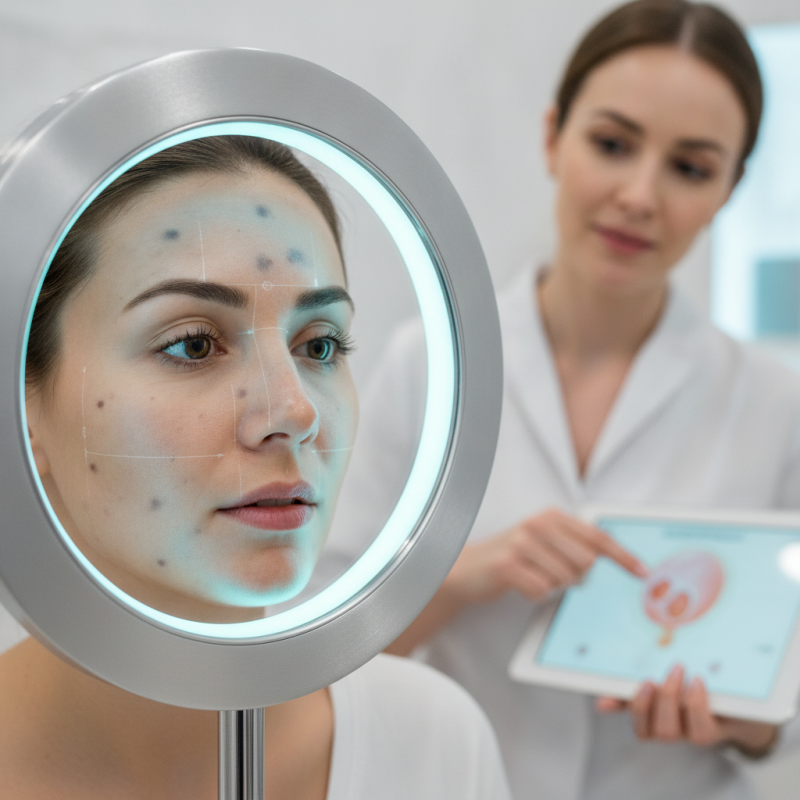
Deep skin spots can be a concern for many. These spots often appear as dark patches or irregular discolorations. Knowing their causes can help in managing them. Sun exposure greatly contributes to these spots. Over time, UV rays damage skin cells, leading to pigmentation issues. Hormonal changes, such as those occurring during pregnancy or menopause, can also trigger deep spots.
Characteristics of deep skin spots vary widely. Some are flat, while others can be raised. They may change color or size, prompting concerns about skin health. This variation can lead to anxiety about their removal. Regular skin checks are important. If a spot changes significantly, consulting a dermatologist is wise. Remember, not every spot requires immediate action, engaging in self-monitoring is crucial.
Treating deep spots can be challenging. While many treatments exist, results are not guaranteed. It’s essential to approach these solutions realistically. What worked for others may not work for you. Embrace this journey of understanding your skin. Each person's experience with deep spots is unique. Reflection on your own skin's needs will foster better care.
The emergence of skin analyzer technology has profoundly impacted spot detection in skincare. A recent report highlights that up to 70% of individuals struggle with hyperpigmentation, making effective diagnosis crucial. Skin analyzers utilize advanced imaging technology that can analyze pigmentation depth and distribution. This precision aids dermatologists and skincare professionals in identifying the most effective treatments for various skin concerns.
However, despite the impressive capabilities of these devices, not all skin analyzers are created equal. Studies reveal that the accuracy of spot detection can vary significantly. Some models may misclassify benign spots as precursors to skin issues, leading to unnecessary treatments. This emphasizes the importance of integrating analyzer results with expert evaluations. Clinicians must consider the comprehensive picture of skin health.
Lastly, while technology improves spot detection, human interpretation remains essential. Users may misinterpret the data presented, potentially leading to misguided skincare choices. Continuous education on skin conditions and proper analyzer use is necessary. The journey to clearer skin requires collaboration between technology and professional insight.
Deep skin spots can be frustrating. They might arise from various causes like sun damage, acne scars, or aging. Treating them effectively requires a structured approach. Begin by gently cleansing the skin to remove impurities. Use a mild exfoliator to slough off dead skin cells. This process helps uncover fresher skin underneath.
Next, incorporate targeted treatments into your routine. Look for ingredients like retinol and vitamin C. These can promote cell turnover and brighten the skin. Apply them consistently, but be cautious of overuse. It’s essential to observe how your skin reacts. Even professional treatments such as chemical peels or laser therapy could be considered. However, consult with a dermatologist to determine what suits your skin type.
Hydration plays a crucial role in skin health. Drink plenty of water daily and consider using a moisturizer to keep your skin supple. Pay attention to how different products impact your skin. Not every treatment works for everyone. It’s essential to reflect on what feels best for your unique skin. Keep a journal to track changes and identify effective strategies.
| Step | Treatment Method | Effectiveness | Time to Results | Cost Estimate |
|---|---|---|---|---|
| 1 | Topical Retinoids | High | 6-12 weeks | $30-$100 |
| 2 | Chemical Peels | Medium | 4-6 weeks | $100-$300 |
| 3 | Laser Therapy | Very High | 2-3 months | $500-$2000 |
| 4 | Microdermabrasion | Medium | Immediate to 4 weeks | $75-$200 |
| 5 | Natural Remedies | Variable | Varies (weeks to months) | Low ($10-$50) |
Deep spots on the skin can be a source of frustration for many individuals. Various treatment options exist, but their effectiveness can vary widely. A recent study published in the Journal of Dermatological Science highlighted that chemical peels showed a
60% improvement rate for deep spots after six sessions. However, this treatment can lead to skin irritation and requires a professional's expertise.
Laser therapy is another option. According to a 2023 report from the American Academy of Dermatology, results indicate that
75% of patients experienced significant improvement within three months. Yet, potential side effects such as post-inflammatory hyperpigmentation need consideration. It's essential to consult a qualified dermatologist before pursuing such treatments.
Additionally, topical retinoids are a viable choice for some. They enhance skin cell turnover and have been shown to decrease the appearance of spots over time. However, a meta-analysis published in Clinical, Cosmetic, and Investigational Dermatology noted that only
50% of users see noticeable results after a three-month application. Consistency is crucial, but many patients struggle with adherence. Each treatment has its pros and cons. Understanding these nuances is vital for effective decision-making.
Deep spots on the skin can be frustrating. To maintain healthy skin and reduce the risk of deep spots, prevention is key. Regularly incorporating effective skincare practices can make a significant difference. Hydration plays a vital role. Drink plenty of water daily to keep your skin well-hydrated and plump. Consuming a balanced diet rich in fruits and vegetables can also promote skin health. These foods provide essential vitamins and antioxidants.
Sun exposure can lead to deep spots. Always apply sunscreen, even on cloudy days. Use a broad-spectrum sunscreen with at least SPF 30 and reapply every two hours. Protective clothing can further shield your skin from harmful rays. These are small actions that can yield lasting benefits.
Additionally, consider your skincare routine. Regular exfoliation can help remove dead skin cells. This process can improve skin texture and reduce the appearance of spots. However, over-exfoliating may lead to irritation. Find a balance that works for your skin type. A skincare expert can provide personalized advice. Always listen to your skin's needs. It’s essential to approach skincare with care and patience.
: Skin analyzer technology enhances the accuracy of diagnosing hyperpigmentation and identifying treatment options for skin concerns.
No, the accuracy of skin analyzers can vary. Some may misclassify benign spots, leading to potential misdiagnosis.
Start with gentle cleansing and use mild exfoliators. Consider targeted treatments with ingredients like retinol and vitamin C.
Staying hydrated helps maintain skin suppleness and can prevent the formation of deep spots.
Apply sunscreen daily, eat a balanced diet, and stay hydrated. Regular exfoliation is also beneficial, but avoid overdoing it.
Keep a journal to note your products, reactions, and any changes. This can help identify effective strategies for your skin.
Stop using the product immediately and consult a skincare expert for alternatives that suit your skin type.
Users may misinterpret analysis data. Professional guidance ensures a comprehensive understanding of skin health.
Look for ingredients like retinol and vitamin C to promote cell turnover and brighten the skin.
Reapply sunscreen every two hours, even on cloudy days, to ensure effective protection against sun damage.
In addressing the concern of "why is my skin analyzer showing deep spots," it’s essential to first understand the various causes and characteristics of deep skin spots. These can arise from factors such as sun damage, aging, or hormonal changes, leading to pigmentation issues that may be alarming when detected by skin analyzer technology. As these mechanisms are elucidated, individuals can better interpret the readings from their skin analyzers.
To effectively treat deep skin spots, a step-by-step approach is recommended. This includes evaluating professional data on the efficacy of various treatment options, ranging from topical treatments to professional procedures. Additionally, preventative measures play a vital role in maintaining healthy skin and avoiding the development of deep spots in the future. By combining knowledge of skin health with proactive care, individuals can improve their skin condition and ensure a more radiant complexion.

OneSe Beauty