7 Tips on How to Read Body Composition Analyzer Results?

Time:2026-10-13 Author:Henry
0%

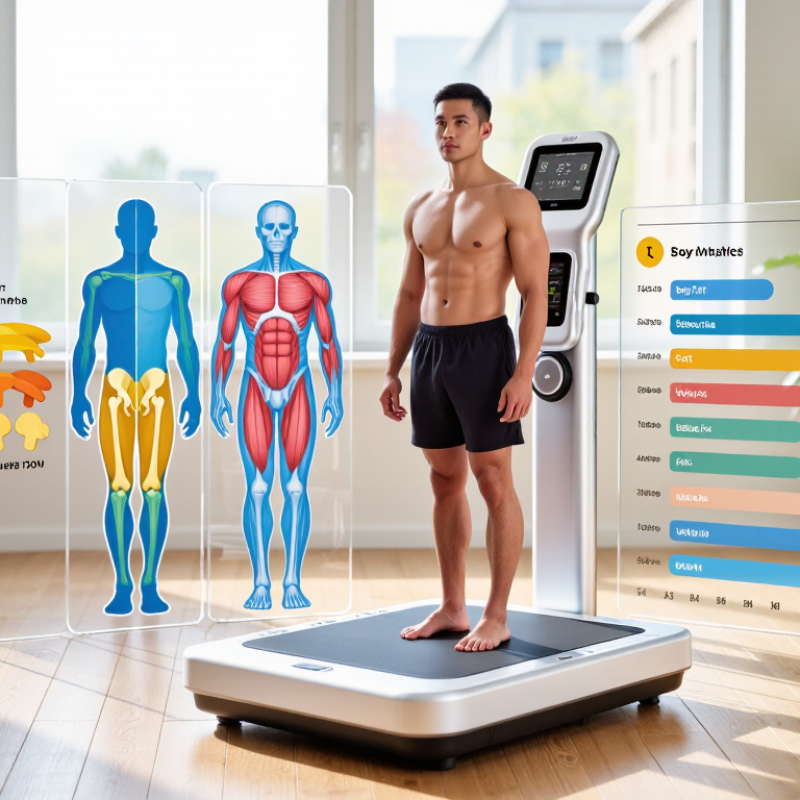
Learning how to read body composition analyzer results requires more than checking body fat percentage. These devices estimate body composition through bioelectrical impedance, or BIA, and their readings can shift with hydration, meals, exercise, skin temperature, and recent bathroom use. The numbers are useful, but they are not perfect measurements.

A practical reading begins with context. Was the scan taken before breakfast or after training? Were the feet placed evenly on the electrodes? Small differences can change the result. I have seen users focus on one surprising number while ignoring consistent trends across several weeks. That approach is understandable, but it can create unnecessary concern. One result is only a snapshot.

This guide explains how to read body composition analyzer results with greater care and realistic expectations. It covers body fat, skeletal muscle, visceral fat, water, BMI, and related indicators. You will also learn how to compare readings under similar conditions, identify unusual changes, and avoid treating a consumer analyzer as a clinical diagnosis. Look for patterns.

Professional guidance matters when results conflict with symptoms, medical history, or laboratory testing. A qualified healthcare professional can help interpret unusual readings, especially during pregnancy or when fluid balance may be affected by illness or medication. The goal is not to chase a lower number every week. It is to understand your body, improve measurement habits, and make decisions supported by reliable evidence. The process takes patience.
7 Tips on How to Read Body Composition Analyzer Results?

Understanding the Main Metrics in a Body Composition Analyzer Report

A body composition analyzer report can look precise, but every number needs context. I treat it as a trend tool, not a diagnosis. Take measurements under similar conditions, preferably at the same time of day. Hydration, meals, exercise, and sleep can change the reading.

Check these seven areas:

body weight, body mass index, body fat percentage, visceral fat estimate, skeletal muscle mass, body water, and basal metabolic rate.

Weight shows total mass, but it cannot distinguish fat from muscle. BMI offers a broad screening value, yet it may misrepresent muscular people. Body fat percentage gives more detail, although home devices may estimate it imperfectly.

Visceral fat readings are useful for discussion, not proof of internal disease. Muscle and water values can shift after training or a salty meal. Basal metabolic rate is an estimate, not a daily calorie prescription.

Look for patterns across several weeks. A single result can mislead. I once would have focused too heavily on a lower body-fat number; that was a weak interpretation. Better practice compares the result with waist measurement, strength, energy, and relevant medical history. Segmental results may reveal differences between arms, legs, and the trunk, but small gaps are not automatically problems. If a result changes sharply without an obvious reason, repeat the test and ask a qualified health professional for guidance. Numbers need judgment.

Checking Data Accuracy Before Interpreting the Results

Before interpreting body composition analyzer results, check whether the measurement conditions were reliable. I have seen readings change after exercise, a salty meal, or poor hydration. These devices estimate body fat and muscle through electrical signals, not direct imaging. Accuracy can vary between individuals.

Tip 1: Measure at a similar time each day. Morning readings may be easier to compare. Tip 2: Keep hydration reasonably consistent. Do not measure immediately after drinking several glasses of water. Tip 3: Avoid testing after exercise, sauna use, or a large meal. Skin temperature and fluid shifts can distort the result. Tip 4: Check your posture and contact points. Bare, clean feet and steady placement matter. Small contact differences may produce noticeable changes.

Tip 5: Confirm that the analyzer completed its self-check or calibration process. If the screen shows an error, record nothing. Tip 6: Repeat the measurement once, but avoid endless retesting. Repeating ten times does not guarantee truth. Tip 7: Compare trends across several weeks, rather than reacting to one percentage. A sudden change may reflect water movement, not real fat loss. Results should also be considered alongside waist measurements, strength, nutrition, and professional assessment. I sometimes expect numbers to be more precise than they are. That is a useful warning. The data can guide decisions, but it should not replace clinical judgment.

Body Composition Analyzer Results: Check Data Accuracy First

Repeated measurements should remain reasonably consistent before you interpret changes in body fat or muscle mass. This illustrative five-day dataset shows normal day-to-day variation under similar testing conditions.

How to check accuracy: Measure at the same time of day, use the same device and posture, and keep hydration, meals, exercise, and restroom conditions similar. Large sudden changes may reflect hydration or measurement conditions rather than true changes in body composition.

Comparing Body Fat, Muscle Mass, and Water Measurements

7 Tips on How to Read Body Composition Analyzer Results?

Comparing body fat, muscle mass, and water measurements requires more than reading one percentage. Most home analyzers estimate these values through bioelectrical impedance. The results can shift after exercise, meals, alcohol, or poor sleep.

Treat each reading as an estimate, not a diagnosis.

Tip 1:Measure under similar conditions, such as in the morning after using the bathroom. Consistency matters more than a single impressive number.

Body fat shows the estimated proportion of fat in your body. Muscle mass usually reflects lean tissue, but it may also include water and other non-fat components. Water measurements can change quickly, especially after sweating or eating salty food.

Tip 2:Compare weekly or monthly trends instead of reacting to daily changes.

Tip 3:Watch the three values together. A lower water level may make muscle mass appear lower, even when your training is working.

Use the device’s guidance carefully. Different analyzers may use different equations, so their results are not always interchangeable. A tape measurement, progress photo, strength record, and waist measurement can add useful context.

Tip 4:Record your conditions beside each result. For example, note whether you trained late or slept poorly.

Tip 5:Question sudden changes before changing your diet or exercise plan.

I have learned that numbers can look precise while remaining imperfect. People with medical conditions, pregnancy, or unusual fluid retention should discuss results with a qualified health professional.

Evaluating Health Trends Instead of Relying on One Reading

7 Tips on How to Read Body Composition Analyzer Results?

A body composition analyzer can show weight, body fat, muscle mass, water, and visceral fat estimates. One reading can mislead. These numbers are influenced by hydration, meals, exercise, sleep, and skin temperature. Measure under similar conditions, such as in the morning after using the bathroom and before breakfast. Record the date, time, and recent activity beside each result.

Focus on direction, not daily fluctuations. Compare weekly or monthly averages instead of reacting to a single percentage change. For example, a small weight increase may reflect water after a salty meal, not fat gain.

A stable weight with gradually increasing strength may suggest improved muscle retention. Context matters. A simple spreadsheet can reveal patterns that the device’s app may hide.

Treat the analyzer as a tracking tool, not a diagnosis. Most consumer devices estimate body composition through electrical signals, so their accuracy varies among individuals. People with different hydration levels, body shapes, or medical conditions may receive less reliable estimates. If results change sharply or conflict with symptoms, discuss them with a qualified healthcare professional. My own reflection would be to avoid chasing a “perfect” number; consistent habits, energy, strength, and clinical measurements often provide a more useful health picture. Trend quality matters more than numerical drama.

Using Results to Set Realistic Body Composition Goals

7 Tips on How to Read Body Composition Analyzer Results

Using Results to Set Realistic Body Composition Goals

A body composition report is a snapshot, not a final judgment. In practice, readings can change with hydration, meals, exercise, sleep, and measurement timing. Check the date, testing conditions, body weight, body fat percentage, muscle mass, and visceral fat estimate. Trends matter more. Compare results taken under similar conditions, preferably at the same time of day.

Use the report to create one clear goal. For example, aim to reduce waist size by two centimeters over eight weeks while maintaining strength. Avoid chasing a dramatic body fat percentage without considering age, sex, training history, and health status. A qualified health professional can help interpret unusual results and set safer targets. Set process goals too, such as eating enough protein, walking after dinner, or completing three resistance sessions weekly.

Be patient with muscle changes. They often develop more slowly than expected. A lower scale weight does not always mean better progress. You may lose water first, or gain muscle while your weight stays similar. That can feel confusing. I would also question any single reading that seems surprising, rather than changing my diet immediately. Record waist measurements, strength levels, energy, and monthly analyzer results together. Review the pattern every four to six weeks, then adjust one habit at a time. Keep expectations flexible.

7 Tips on How to Read Body Composition Analyzer Results? - Using Results to Set Realistic Body Composition Goals

Illustrative example for a 35-year-old adult; results and reference points vary by age, sex, ethnicity, hydration, device, and measurement conditions.

Tip Measurement Dimension Illustrative Result How to Read It Realistic Goal Recommended Action
1. Check the testing conditions Measurement consistency Morning reading, after using the restroom, before breakfast Bioelectrical impedance readings can change with hydration, meals, exercise, skin temperature, and time of day. Use the same conditions for most measurements. Measure once or twice weekly rather than reacting to daily fluctuations.
2. Look beyond body weight Body weight and body-fat mass Weight: 80.0 kg
Body-fat mass: 24.0 kg
Weight alone cannot show whether changes come from fat, muscle, water, or glycogen. Track the trend in body-fat mass together with weight, waist, strength, and well-being. Review four-week trends instead of judging a single reading.
3. Interpret body-fat percentage in context Body-fat percentage 30.0% There is no single healthy percentage for every adult; age, sex, ethnicity, athletic status, and measurement error matter. Aim for a gradual change of approximately 0.25–0.5 percentage points per month, if fat loss is appropriate. Compare results with the analyzer’s validated reference category and professional guidance.
4. Protect lean mass Lean mass and skeletal muscle mass Lean mass: 56.0 kg
Skeletal muscle estimate: 29.5 kg
These estimates include water and other non-fat tissues and should not be treated as exact muscle measurements. Maintain or slowly increase lean mass while reducing excess fat. Perform resistance training at least twice weekly and consume adequate protein from varied foods.
5. Use waist measurements to assess central fat Waist circumference and visceral-fat indicator Waist: 96 cm
Visceral-fat indicator: 12
Waist circumference is a practical marker of central adiposity. Device-generated visceral-fat scores are not standardized across analyzers. Reduce waist circumference gradually; use local clinical thresholds rather than a universal device score. Measure at the same anatomical location and add regular walking, aerobic activity, and dietary improvements.
6. Treat BMI as a screening tool Body mass index BMI: 27.7 kg/m²
Height: 1.70 m
BMI is calculated as weight divided by height squared. It does not distinguish muscle from fat or show fat distribution. Use BMI with waist, body-fat trend, blood pressure, laboratory data, and fitness—not alone. Discuss persistent concerns or rapid changes with a qualified healthcare professional.
7. Set process-based goals Rate of change and supporting behaviors Current weight: 80.0 kg
Target: 76.0 kg over 12–16 weeks
A 4 kg reduction over 12–16 weeks equals approximately 0.25–0.33 kg per week, a gradual pace for many adults. Prioritize sustainable habits and adjust the target if energy, performance, or health declines. Log two resistance sessions, 150 minutes of moderate activity, regular sleep, and balanced meals each week.
Important note: Body composition analyzers provide estimates, not medical diagnoses. For the most reliable trend, use the same analyzer and protocol. Seek professional advice before making major dietary or exercise changes, especially during pregnancy or when managing a medical condition.

FAQS

What does a body composition analyzer measure?

It may estimate weight, BMI, body fat, visceral fat, muscle, water, and basal metabolic rate. These are estimates. They need context.

Is one body fat reading reliable?

Not completely. Home devices can misread body fat after exercise, meals, sweating, or poor sleep. One number can mislead.

When should I take a measurement?

Measure under similar conditions each time. Morning readings may work well after using the bathroom. Consistency matters most. Record the details.

Why can muscle mass change after training?

Muscle readings may include water and other lean tissues. Training, sweating, and salty meals can shift the result. The muscle did not vanish overnight.

How should I compare body fat, muscle, and water?

Review the three values together across several weeks. Lower water can make muscle appear lower. Daily reactions are often unhelpful.

Does BMI accurately show body fat?

BMI offers broad screening, but it may misrepresent muscular people. It cannot separate fat from muscle. Use it cautiously.

What other information should support the report?

Compare waist size, strength, energy, progress photos, and relevant health history. Segmental results may show differences between limbs and trunk. Small gaps are not automatically problems.

What should I do after a sudden measurement change?

Repeat the test under similar conditions before changing your routine. If the change remains unusual, seek qualified health guidance. I once trusted a lower number too quickly. That interpretation was weak.

Can basal metabolic rate set my daily calorie intake?

No. Basal metabolic rate is only an estimate of resting energy needs. It is not a complete daily prescription. Treat it as a rough reference.

Conclusion

Learning how to read body composition analyzer results starts with understanding the main metrics, including body weight, body fat percentage, muscle mass, body water, and visceral fat. Before interpreting the report, check that the measurement conditions were consistent, such as hydration level, meal timing, exercise, and time of day. Even small changes in these factors can affect the results, so accuracy and consistency are essential.

When reviewing your data, compare body fat, muscle mass, and water measurements together instead of focusing on a single number. The most useful insight comes from tracking trends over several weeks or months. This approach helps you recognize meaningful changes and avoid reacting to normal daily fluctuations. Finally, use the results to set realistic, personal goals, such as gradually reducing body fat while maintaining or building muscle. Understanding how to read body composition analyzer results can support more informed decisions and sustainable health progress.

Henry

Henry

Henry is a dedicated marketing professional with a profound expertise in the company's offerings. With years of experience in the industry, he possesses an impressive understanding of the market dynamics and consumer behaviors that drive success. Henry is committed to sharing his insights through......