How to treat oily scalp revealed by analyzer is becoming an important question for consumers in China. Modern scalp analyzers can display sebum levels, redness, enlarged follicles, and visible buildup within minutes. However, the screen is not a final diagnosis. It is only a snapshot. Results may change after exercise, shampooing, stress, or exposure to humid city air.
Dermatologist Dr. Zoe Diana Draelos has emphasized, “The scalp is skin, and it needs a balanced approach, not aggressive cleansing.” This principle matters when an analyzer shows excessive oil. Scrubbing harder may feel productive, but it can irritate the scalp and encourage more discomfort. A better response combines gentle cleansing, suitable frequency, and professional review when symptoms persist. Choose a mild shampoo that removes oil without leaving the scalp tight. Wash after heavy sweating. Rinse thoroughly, especially around the hairline and behind the ears. Avoid applying rich conditioner directly to oily roots.
Small details matter. A clean analyzer sensor helps. So does consistent testing. Compare readings under similar conditions, rather than reacting to one unusually high number. That part is easy to overlook. In China’s warmer southern regions, humidity may worsen greasy sensations. Northern heating systems may increase irritation and flaking. Therefore, treatment should consider climate, lifestyle, hair products, and medical history.
This guide will examine how to treat oily scalp revealed by analyzer through practical care, ingredient choices, and dermatologist-informed warnings. It will also question the analyzer itself. Technology can guide attention, but it cannot replace clinical judgment. Persistent itching, painful bumps, thick scaling, or sudden oiliness deserves evaluation by a qualified dermatologist.
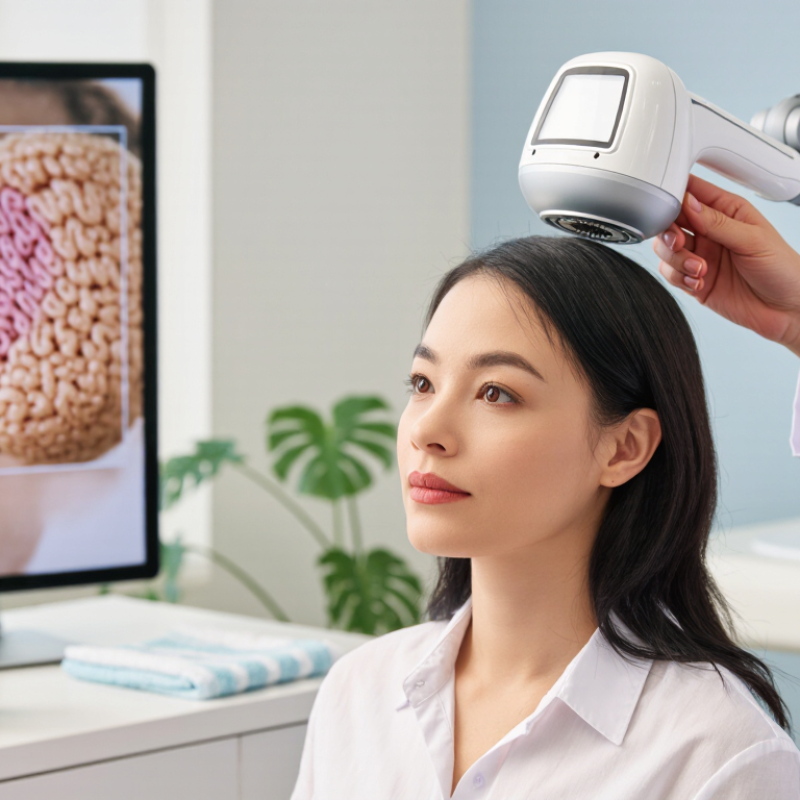
A hair and scalp analyzer can reveal excess sebum, enlarged follicles, redness, or visible flakes. These results are useful clues, not a medical diagnosis. A glossy scalp image usually means oil has spread across the surface. It does not always prove that glands are overactive. Sweat, recent exercise, heavy styling products, and humid weather can distort the reading.
The American Academy of Dermatology estimates that about 50 million people in the United States experience dandruff. Oily flakes may involve both sebum and scalp irritation. An analyzer can show the pattern, but it cannot identify the exact cause. In China, heat, humidity, air pollution, and frequent helmet use may make buildup more noticeable. Wash after heavy sweating. Use lukewarm water and massage gently with fingertips. Avoid aggressive scraping.
Small changes matter.
If the scan shows oiliness without redness, wash according to your condition rather than a fixed schedule. Daily cleansing may suit some oily scalps, while others become tight and uncomfortable. Choose a mild, rinseable cleanser and observe the scalp for two weeks. Recheck under similar conditions, preferably before washing. This comparison is more reliable than one dramatic image. I would also question any analyzer claiming perfect accuracy. Persistent itching, pain, thick scale, or hair shedding requires assessment by a qualified dermatologist, because cosmetic care may not address seborrheic dermatitis or another scalp disorder.
Humid summers can leave sweat on the scalp for hours. Warm air may spread sebum along the hair shafts. Traffic dust can also collect near the roots. The scalp may feel greasy by evening.
No. It records sebum at one specific moment. Sweat, recent washing, exercise, humidity, and styling products can change the result. It is useful evidence, not a medical diagnosis.
Use a mild cleanser and lukewarm water. Massage gently with fingertips for about one minute. Rinse carefully around the hairline and behind the ears. Do not scratch with fingernails.
Daily washing may suit heavy oil production. Other people may need washing every other day. Adjust the routine according to oiliness and hair type. A fixed schedule may not fit everyone.
It can increase irritation and discomfort. Very hot water may remove surface oil too quickly. Scrubbing harder or washing repeatedly may create an oily rebound. I may have overwashed before noticing the pattern.
Long helmet commutes can trap heat and moisture. Rich styling creams and dry shampoo may leave a heavy film. Incomplete rinsing can also make the roots feel coated. Small habits matter.
Keep rich conditioner on the hair lengths and ends. Avoid placing it directly on the scalp. A lightweight, alcohol-free scalp product may feel comfortable, but evidence remains limited.
Record the time, weather, washing method, and symptoms. Avoid comparing a post-exercise reading with a freshly washed scalp. Recheck after two weeks under similar conditions. The numbers may still be imperfect.
Seek professional advice for redness, painful bumps, strong itching, or thick flakes. Persistent symptoms may involve seborrheic dermatitis or another scalp condition. Do not change every habit at once. That can hide the real cause.
An analyzer can help reveal whether the scalp is producing excessive oil, how evenly sebum is distributed, and whether buildup, redness, or clogged follicles are present. Understanding these results is the first step in learning how to treat oily scalp revealed by analyzer. In China, common contributing factors may include humid weather, pollution, stress, hormonal changes, an unbalanced diet, infrequent washing, or using products that are too harsh or too heavy for the scalp.
Effective care should focus on gentle, regular cleansing with a suitable formula, thorough rinsing, and avoiding excessive scratching, hot water, and frequent use of heavy styling products. Washing frequency should be adjusted according to oil production rather than following a fixed routine. A balanced diet, adequate hydration, sufficient sleep, stress management, and clean hair tools can also support scalp health. If oiliness is persistent or accompanied by itching, scaling, pain, hair loss, or inflammation, a qualified dermatologist should evaluate the condition and recommend appropriate treatment.

 OneSe Beauty