Explore our advanced AI-driven medical spa solutions, multi-spectral face scanners, and intelligent digital dermatological analysis equipment.
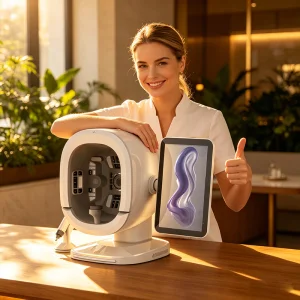
Over the past decade, 3D scanning technology has transformed from a structural measuring tool for heavy manufacturing into a cornerstone of dermatological medicine and non-invasive aesthetics. At Shanghai OneSe Beauty Co., Ltd., we lead this transition, specializing in deep sub-surface optical profilometry and dynamic facial topology mapping.
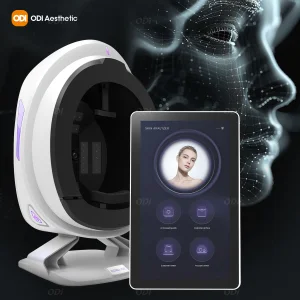
By leveraging multi-spectral analysis across 8 diagnostic wavebands, our systems render complex spatial constructs of the human dermis. This provides clinicians, aesthetic centers, and cosmetic researchers with empirical data regarding pore depth, wrinkle volume, sub-dermal pigmentation deposits, and vascular irregularities.
Modern clinical consultations demand objective metrics. Through high-resolution stereophotonics and deep-learning neural network databases, our skin analyzers establish an absolute benchmark for predictive aging, allowing medical spas to prove treatment efficacy through before-and-after spatial comparisons.

Information Gain Metric: Traditional 2D imaging captures only superficial pigmentation. Our advanced 3D scanning technology measures surface deformation to within ±0.05mm, analyzing micro-depressions and volumetric wrinkles in real-time, converting subjective examinations into quantitative clinical reports.
Positioning 3D scanning and optical diagnostics within global medical spa networks and localized dermatological hubs.
Clinics across Europe and North America integrate 3D facial imaging to streamline patient intake. The visual representation of aging trajectories serves as an educational tool, driving patient retention by up to 35% through data-driven recommendations.
Leading cosmetic formulation houses utilize industrial skin scanners to measure the biological efficacy of active ingredients. Volumetric analysis of wrinkle reduction validates product claims for global regulatory filings, including FDA and EU compliance.
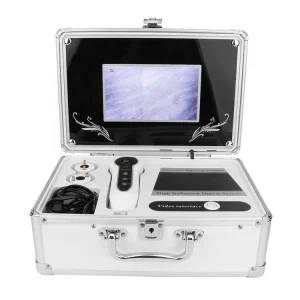
By scaling optical microscopes and HD digital scanners with 200x magnification, practitioners analyze follicular density and scalp health. This data helps design customized therapeutic hair restoration programs.
Shanghai OneSe Beauty Co., Ltd. is a professional manufacturer and technology solution provider specializing in intelligent skin analysis systems, beauty equipment, and digital aesthetic technologies. We are dedicated to the research, development, production, and global distribution of innovative beauty devices that help professionals deliver more accurate consultations and personalized treatment solutions.
With extensive experience in the beauty and aesthetics industry, OneSe Beauty has built a comprehensive product portfolio covering skin analyzers, hair and scalp analyzers, body analysis systems, and professional beauty equipment. By combining advanced imaging technology, intelligent software, and user-friendly design, we provide reliable solutions for beauty salons, aesthetic clinics, dermatology centers, training institutions, and skincare brands worldwide.
Innovation is at the core of our business. Our R&D team continuously develops new technologies and upgrades existing products to meet the evolving needs of the global beauty market. Through ongoing investment in product development and technology integration, we strive to provide smarter, more efficient, and data-driven beauty solutions.
Quality is a priority throughout every stage of our operation. We follow strict production standards and quality management procedures to ensure product consistency, reliability, and long-term performance. Our commitment to excellence has helped us establish strong partnerships with customers and distributors across multiple international markets.
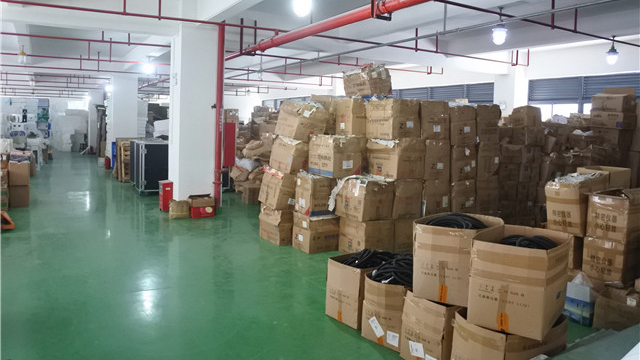
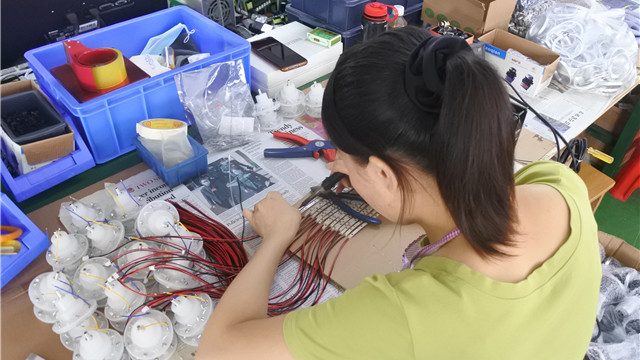
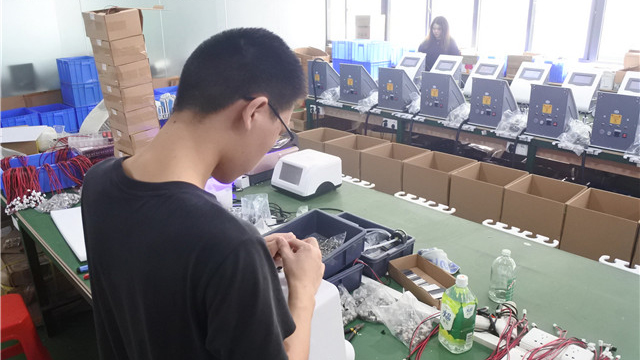
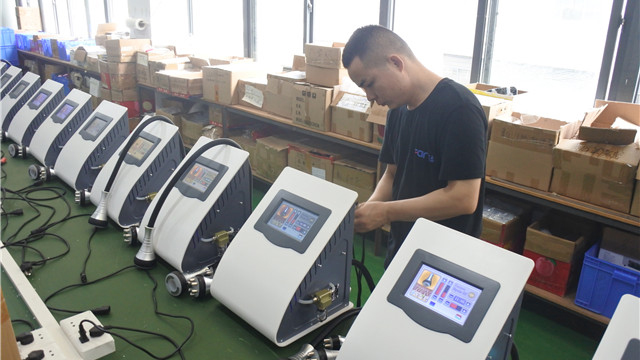
A transparent look at our factory operations and product manufacturing lifecycle, ensuring compliance with international quality standards.






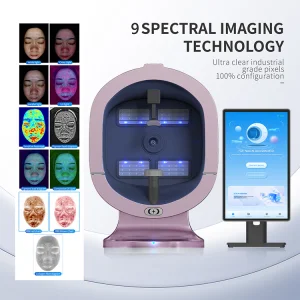
Our 3D scanning skin analyzers leverage cross-polarized and parallel-polarized light techniques. By aligning polarization filters, our diagnostic platforms isolate superficial specular reflections from the stratum corneum. This enables the sensor array to capture deeper diffuse backscattered light from the dermis.
Parallel-Polarized Light (PL): Enhances micro-relief structures on the skin surface, mapping dry scaling, fine expression lines, and early pore enlargement.
Cross-Polarized Light (CP): Suppresses surface glare to highlight sub-epidermal vascular structures, vascular dilation, and localized hemoglobin concentrations.
UV Fluorescence: Uses 365nm light to excite skin bacteria, mapping Porphyrin levels to identify acne-prone areas before lesions appear on the surface.
Our imaging hardware combines red, green, blue, UV, wood's light, and polarized filters, analyzing 14 skin indicators in under 20 seconds.
Measures micro-depressions to differentiate standard pores from sebum-blocked follicles. This data helps select target treatments like microneedling or hydro-dermabrasion.
Aligning clinical requirements with our development pathway to support the next generation of aesthetic devices.
Deploying cloud-based diagnostic models to enable multi-location clinics to share a centralized patient history database. Real-time updates help secure patient data and align diagnostic criteria across global locations.
Developing predictive algorithms that simulate aging over 5 to 10 years, modeling skin changes based on current sun damage, hydration, and lifestyle metrics.
Detailed technical answers for clinical directors, bio-medical purchasing agents, and device distributors.
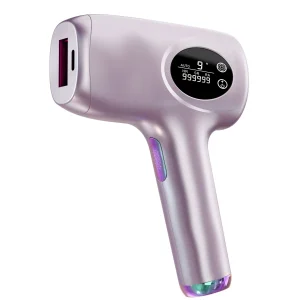
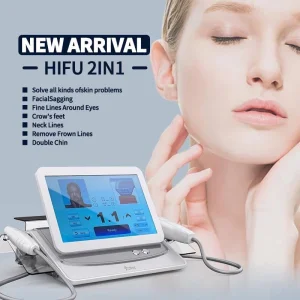
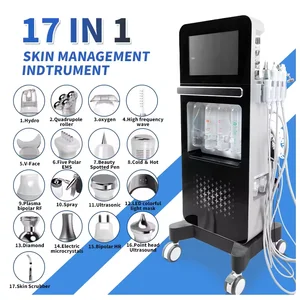
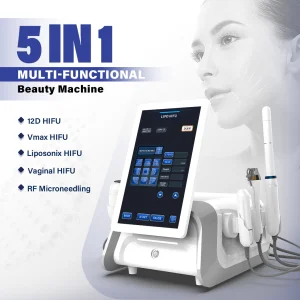
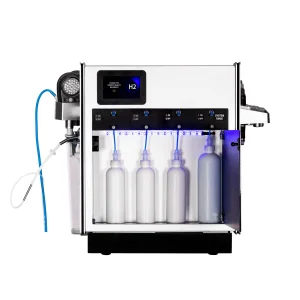
Discover our complementary line of clinical devices, designed to deliver targeted therapies based on multi-spectral diagnostic data.

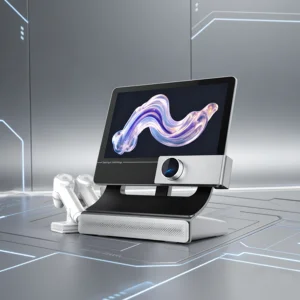
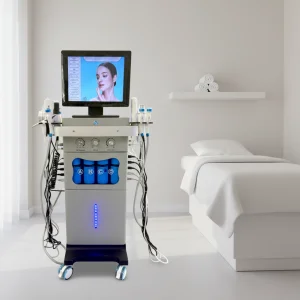
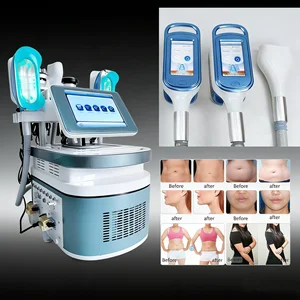
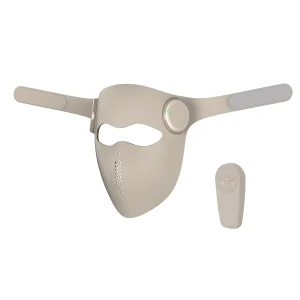
As a leading supplier in China's aesthetic technology corridor, Shanghai OneSe Beauty Co., Ltd. combines optoelectronic design, precision manufacturing, and software engineering. We offer comprehensive support to distributors, skincare brands, and clinics worldwide, including custom UI translation, hardware modifications, and raw data API integrations.
Our products are designed to meet clinical and aesthetic standards, ensuring reliability and performance for practice operations globally.
 OneSe Beauty