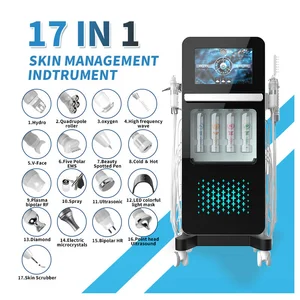
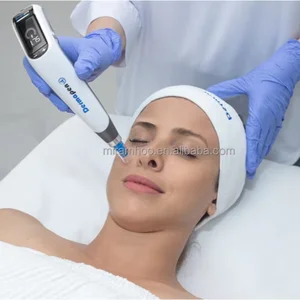
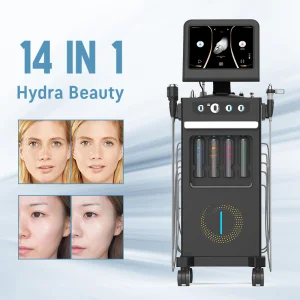
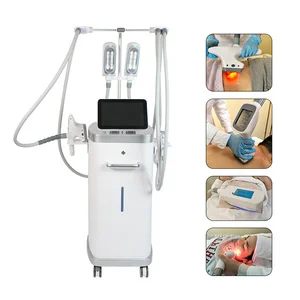
Explore our premium range of professional body composition scanners, hydro-cleaning stations, micro-needling devices, and skin tightening technologies designed for global distribution.

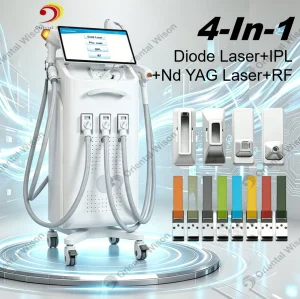
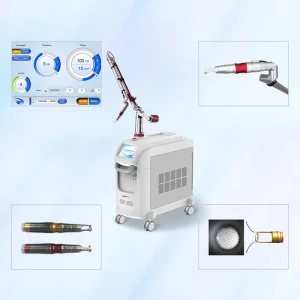

Skin elasticity measurement tools represent a cornerstone in modern dermatological science, cosmetic efficacy testing, and clinical diagnostic research. Standard skin biomechanics rely on measuring the viscoelastic properties of the human dermis. Human skin exhibits both elastic characteristics—which allow it to return to its original state after deformation—and viscous characteristics, which introduce time-dependent lag (hysteresis) into the recovery process. This behavior is primarily determined by the structural arrangement of collagen fibers and elastin networks suspended in an amorphous ground substance of glycosaminoglycans within the dermal-epidermal junction.
To quantify these complex mechanics, B2B procurement professionals look for systems utilizing the standardized suction/vacuum method. This method applies a constant negative pressure to a defined area of the skin via a specialized probe. As skin is drawn into the probe aperture, its vertical displacement is measured contactlessly by an integrated optical system consisting of a light source and a dual-element photodetector. Upon the release of pressure, the skin's relaxation trajectory is registered, yielding a characteristic suction-relaxation curve.
Critical R-Parameters Explained: In clinical claim validation, the primary parameters used are R0 (maximum deformation, representing skin pliability), R2 (gross elasticity, representing total recovery including viscous components), R5 (net elasticity, independent of viscous deformation), and R7 (the ratio of elastic recovery to total deformation). High-precision manufacturers must calibrate instruments to capture these values with high repeatability.
The global procurement landscape for skin elasticity measurement tools has shifted significantly toward smart integration and cloud-based analytics. Buyers from cosmetic manufacturing conglomerates, contract research organizations (CROs), and medical spas evaluate suppliers on metrics beyond hardware precision. Key operational priorities include integration capability (SDK/API interfaces for custom database management), system calibration stability (reducing the frequency of factory calibration cycles), and multi-spectral synergy (combining mechanical testing with colorimetry, hydration, and trans-epidermal water loss modules).
Moreover, user intent mining demonstrates a growing demand for cost-effective alternatives to established German standard diagnostic boxes without sacrificing data fidelity. Manufacturers who provide customizable OEM/ODM platforms with local calibration kits are highly prioritized by distribution networks in North America, Western Europe, and Asia-Pacific.
An architectural overview of hardware and software iterations shaping skin elasticity analysis, moving from mechanical suction to AI-driven diagnostic ecosystems.
First-generation measurement tools relied purely on physical gauges and direct contact sensors. These devices lacked digital calibration modules, necessitating manual calculations of displacement values and introducing significant operator-dependent error margins.
Modern standard systems utilize optical sensors within the probe nozzle. The device monitors beam interruption by the skin, processing linear metrics automatically. These values are processed to output standard R-parameters (R0-R9), providing reproducible baseline data.
The current frontier integrates biomechanical stress testing with high-definition camera arrays and AI-based image segmentation. Deep learning algorithms assess skin micro-wrinkles under tension, providing spatial maps of dermal fatigue and matching them with age-specific reference databases.
A comparative analysis of the primary players defining the global marketplace, assessing manufacturing capacity, core technologies, and service coverage.
| Supplier Name | Origin | Core Measurement Technology | Primary Target Industry | Global OEM/ODM Capability |
|---|---|---|---|---|
| Courage + Khazaka Electronic GmbH | Germany | Optical Suction (Cutometer Principle) | Dermatological Research & Efficacy Testing | Limited (Standardized Hardware Models) |
| Shanghai OneSe Beauty Co., Ltd. | China | Integrated Optical-Acoustic Biomechanical Probe | Aesthetic Diagnostic & Skincare Consultation | Comprehensive (Full Custom Software & Hardware) |
| Cortex Technology | Denmark | Suction and Acoustic Wave DermaLab System | Clinical Trial Research & Medical Diagnostics | Moderate (Modular System Configuration) |
| Delfin Technologies | Finland | Indentation-Induced Mechanical Resistance | Scientific Research & Product Development | Limited (Proprietary Sensors Only) |
| Canfield Scientific | USA | Optical Coherence & Imaging Analysis Systems | Clinical Trials & Imaging Facilities | Limited (Software API Integrations) |
| Bionet Co., Ltd. | South Korea | Bioelectrical Impedance & Mechanical Probes | Wellness Systems & Aesthetic Spas | High (Standard Asian Distribution Networks) |
| Pixience | France | Optical Multi-Spectral Diagnostics | Clinical Efficacy Studies | Moderate (Software customization) |
| Bomtech Optoelectronics | South Korea | Optical Skin Multi-Analyzers | Aesthetic Clinics & Beauty Salons | High (Regional OEM distribution) |
| Moritex Corporation | Japan | Video-based Skin Surface Measurement | Cosmetic Counter Recommendations | Moderate (Retail customizations) |
| CK Technology Group | Global Partners | Piezoelectric Force Displacement Probes | Industrial Materials & Biosynthetic Research | Moderate (Specialty configurations) |
Procurement Insight: When selecting a manufacturer, Western European brands like Courage + Khazaka represent the scientific benchmark for purely academic research. However, for B2B brands requiring scalable deployment, intelligent software integration, and customized skin analysis setups, integrated suppliers like Shanghai OneSe Beauty Co., Ltd. provide competitive advantages with high agility, cost efficiency, and modular flexibility.
Shanghai OneSe Beauty Co., Ltd. is a professional manufacturer and technology solution provider specializing in intelligent skin analysis systems, beauty equipment, and digital aesthetic technologies. We are dedicated to the research, development, production, and global distribution of innovative beauty devices that help professionals deliver more accurate consultations and personalized treatment solutions.
With extensive experience in the beauty and aesthetics industry, OneSe Beauty has built a comprehensive product portfolio covering skin analyzers, hair and scalp analyzers, body analysis systems, and professional beauty equipment. By combining advanced imaging technology, intelligent software, and user-friendly design, we provide reliable solutions for beauty salons, aesthetic clinics, dermatology centers, training institutions, and skincare brands worldwide.
Innovation is at the core of our business. Our R&D team continuously develops new technologies and upgrades existing products to meet the evolving needs of the global beauty market. Through ongoing investment in product development and technology integration, we strive to provide smarter, more efficient, and data-driven beauty solutions. Quality is a priority throughout every stage of our operation. We follow strict production standards and quality management procedures to ensure product consistency, reliability, and long-term performance.
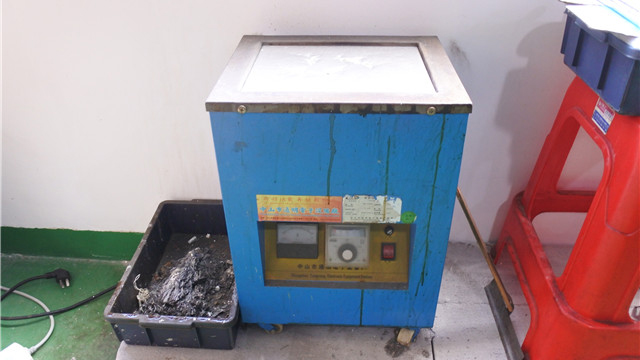
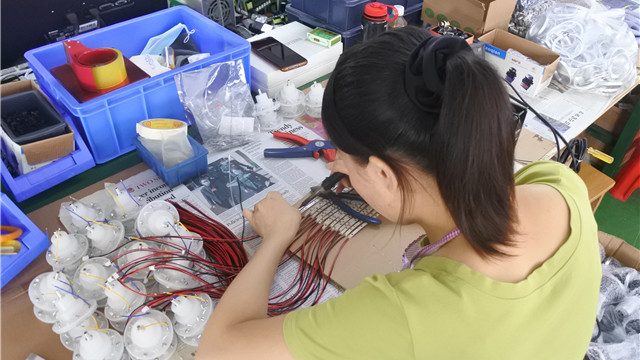
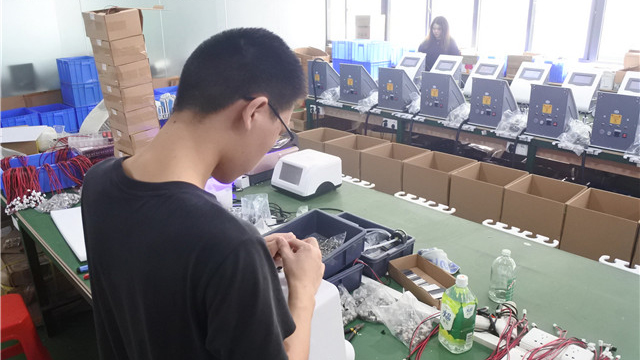
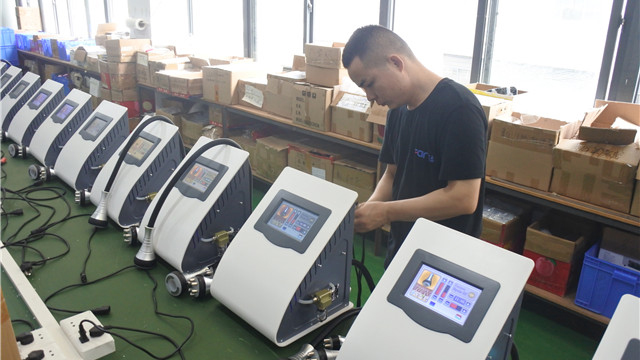
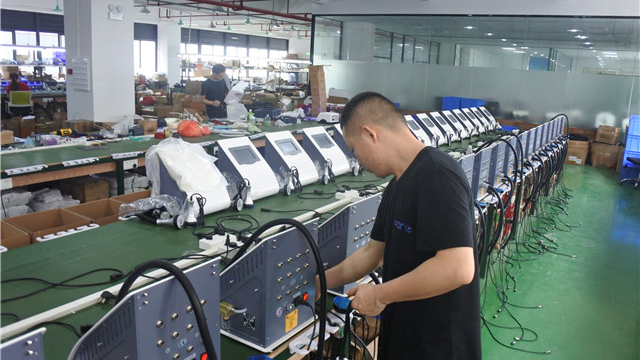
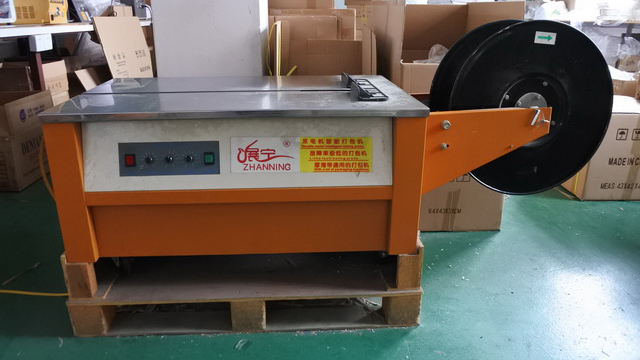
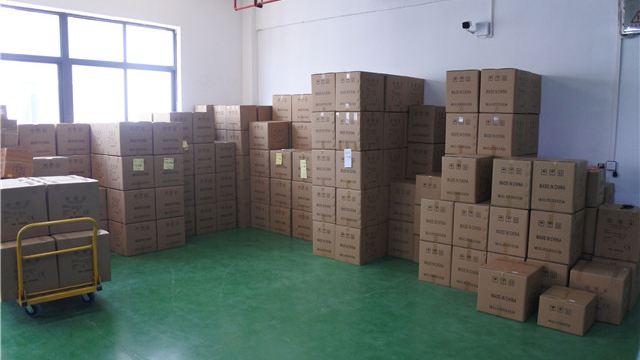
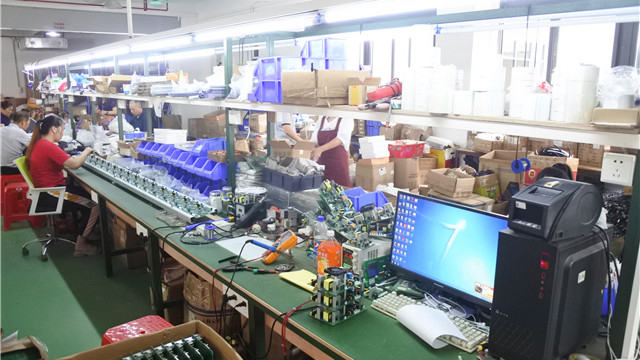
A transparency showcase detailing the rigorous assembly line, precision calibration, and final quality control operations implemented at Shanghai OneSe Beauty Co., Ltd.
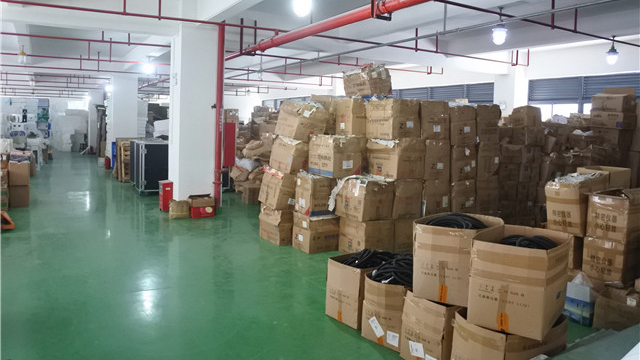
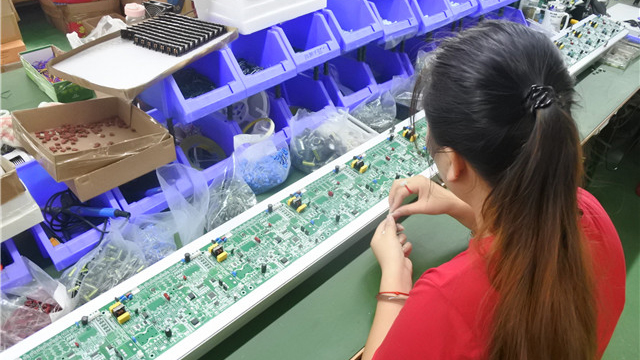
B2B buyers sourcing instrumentation for dermatological and clinical diagnostics must navigate rigorous regulatory landscapes. Depending on the target market, skin measurement systems must comply with various standards. In the European Union, if the equipment is marketed for clinical diagnostics, it must comply with the Medical Device Regulation (MDR 2017/745). In the United States, instrumentation used for claims support typically falls under FDA Class I or Class II clinical research categories, necessitating strict adherence to good laboratory practices (GLP) and medical design standards.
For non-medical aesthetic diagnostics, CE safety standards, RoHS compliance, and electromagnetic compatibility (EMC) regulations are vital. Shanghai OneSe Beauty Co., Ltd. guarantees compliance across all exported configurations, supplying complete technical dossiers, declaration documentation, and test reports.
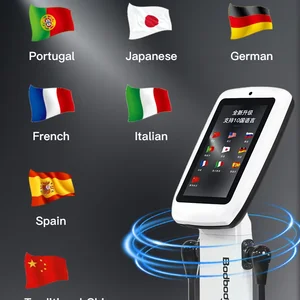
Additionally, localization support is essential. OneSe Beauty provides software interface localization in multiple languages, remote diagnostic updates, and calibration kits designed for local distributor self-servicing. This significantly reduces downtime, maintaining high performance and data accuracy globally.
Addressing the technical, operational, and financial queries of global buyers and distributors.
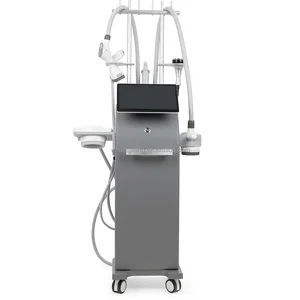
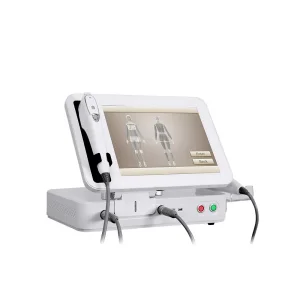
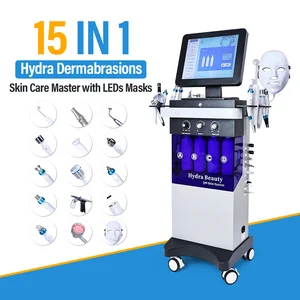
Explore our highly integrated IPL diode lasers, scalp analyzers, HIFU skin lifters, and deep hydra-dermabrasion serum platforms.

 OneSe Beauty