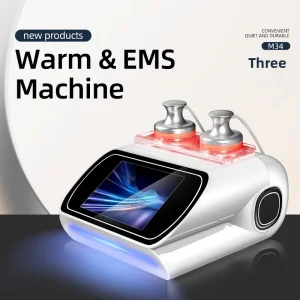
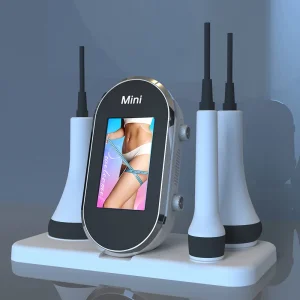
Advanced body contouring, fat freezing, and radio frequency technologies optimized for high-performance aesthetic facilities across Nigeria.
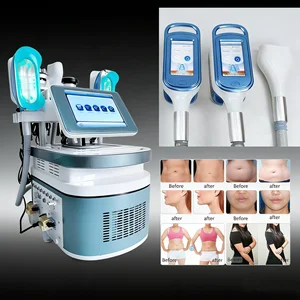
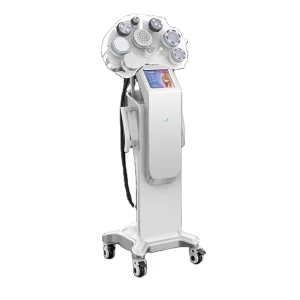
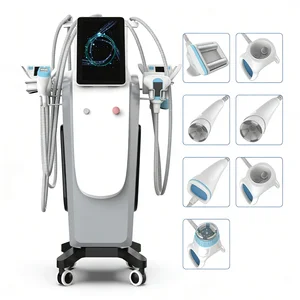
The global aesthetic beauty market is witnessing an unprecedented transformation, and Sub-Saharan Africa, spearheaded by Nigeria, stands at the absolute frontier of this expansion. Driven by rapid urbanization in primary metropolitan hubs such as Lagos, Abuja, and Port Harcourt, alongside a burgeoning middle-class demographic possessing high disposable income, the demand for non-invasive body sculpting and skin tightening treatments has escalated exponentially.
Historically, surgical interventions such as liposuction dominated the local body modification landscape. However, the associated surgical risks, significant downtime, and high costs have led to a structural market shift. Modern Nigerian consumers are actively prioritizing non-invasive, outpatient solutions. Among these, Ultrasonic Cavitation Slimming Machines, combined with Multipolar Radio Frequency (RF) and Vacuum Endermology, have emerged as the gold standard for localized fat reduction and tissue tightening.
This industry report acts as a B2B procurement framework for Nigerian aesthetic distributors, medical spa owners, dermatology clinics, and commercial beauty academies. We examine the technological architecture of ultrasonic cavitation systems, the macroeconomic and logistics realities of importing capital-intensive equipment to Nigeria, and the precise production quality control paradigms enforced by world-class manufacturers like Shanghai OneSe Beauty Co., Ltd.
Operating a successful aesthetic distribution network or high-end spa chain in Nigeria requires navigating a distinct set of operational challenges. High-quality machinery must be engineered to withstand local conditions, notably electrical power fluctuations. Unstable grids and surge potentials mean that standard aesthetic devices lacking internal voltage stabilizing circuits or robust power boards risk frequent board failures.
Furthermore, local operators face regulatory requirements enforced by the National Agency for Food and Drug Administration and Control (NAFDAC). Demonstrating compliance with international standards such as CE, ISO 13485, and FDA is essential for secure custom clearance and establishing brand credibility. Shanghai OneSe Beauty Co., Ltd. addresses these exact challenges by building devices equipped with heavy-duty internal power transformers, modular system components, and clear compliance certifications, facilitating smooth entry into the Nigerian market.
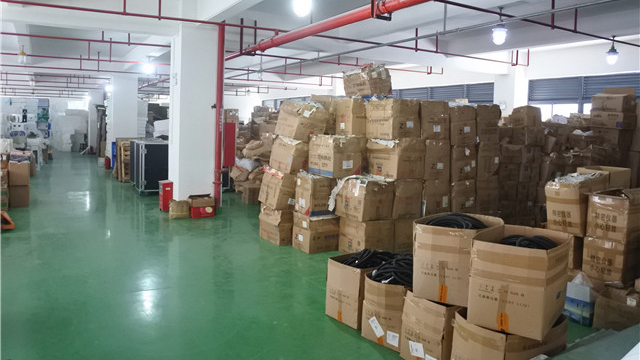
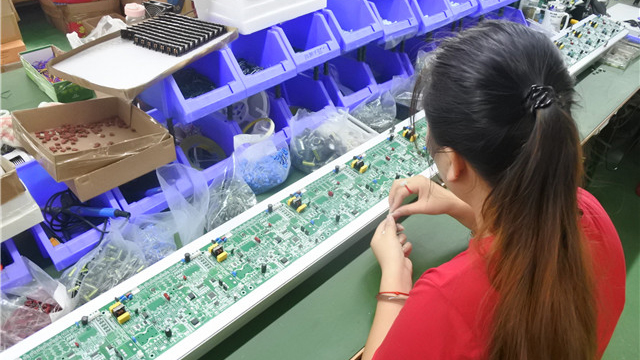
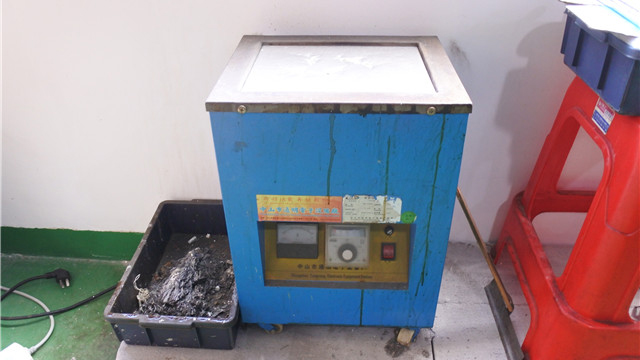
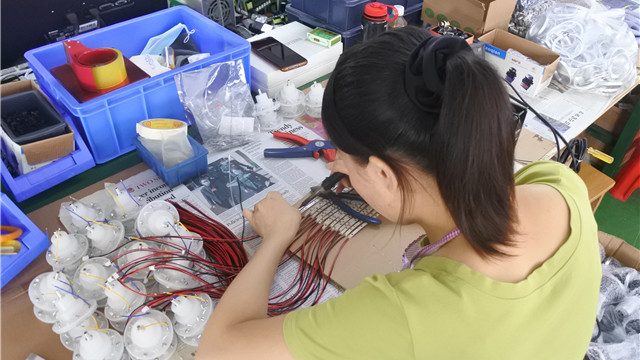
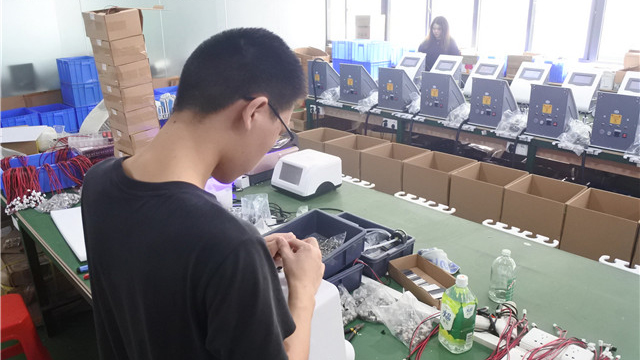
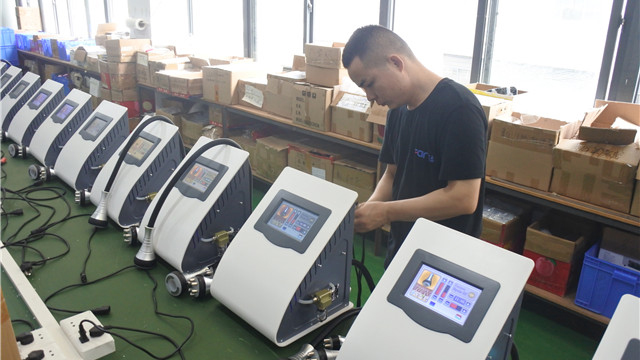
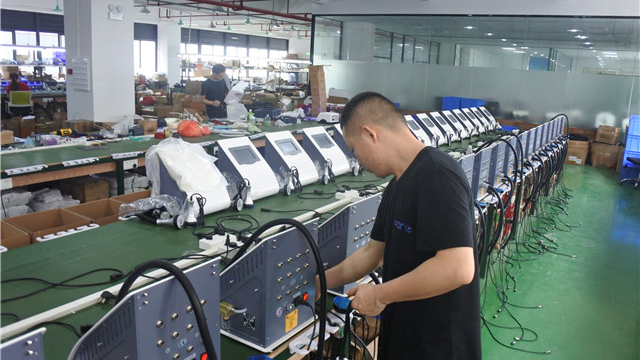
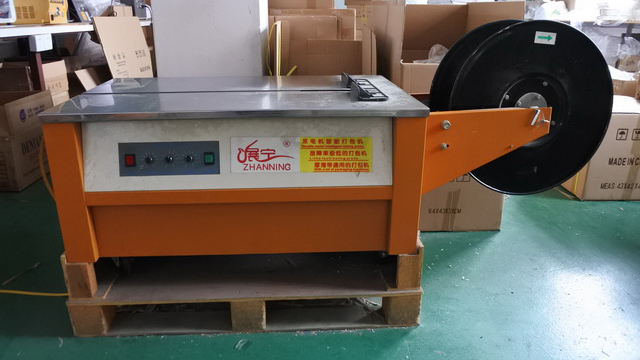
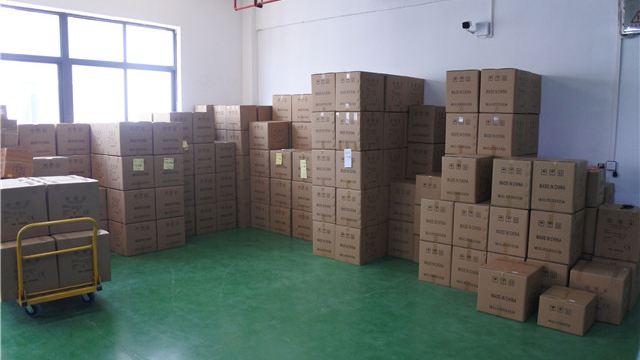
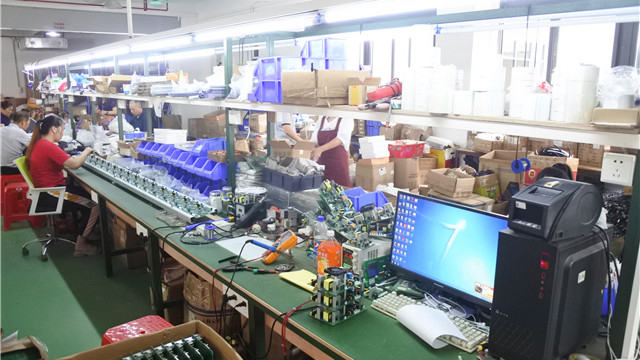
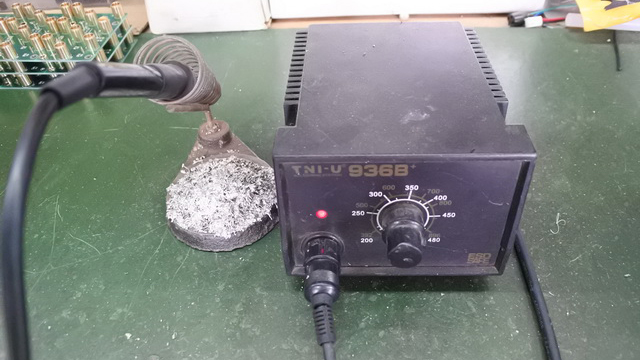
Inside Shanghai OneSe Beauty Co., Ltd.'s manufacturing facilities, where safety, consistency, and technological innovation converge to create clinical-grade aesthetic platforms.
Shanghai OneSe Beauty Co., Ltd. is a leading manufacturer and technology solution provider specializing in intelligent skin analysis, body contouring systems, and digital aesthetic technologies. Our factory controls every stage of the assembly line—from raw material inspection and PCB design to thermal stability testing and final product packaging.
Aesthetic devices utilizing cavitation rely on the physical principle of acoustic resonance. Standard systems emit low-frequency ultrasound waves, typically at 40KHz (Kilohertz) or 80KHz, targeting subcutaneous fat tissue. The sound waves travel deep into the adipose layer, generating micro-bubbles within the fat cell membrane. As these micro-bubbles rapidly expand and implode, the localized pressure ruptures the adipocyte cell membrane, releasing triglycerides into the interstitial fluid.
Once the fat cells are disrupted, the body’s lymphatic and circulatory systems process the released lipids. The glycerol is absorbed by the body, while the free fatty acids are transported to the liver, where they are metabolized or excreted. Combining this process with Radio Frequency (RF) energy provides a dual benefit: the RF energy heats the dermal layers, stimulating collagen production and contracting skin fibers to prevent laxity following fat reduction.
| Technology / Modality | Optimal Target Layer | Primary Action Mechanism | Clinical Intent | Ideal Application Frequency |
|---|---|---|---|---|
| 40KHz Cavitation | Deep subcutaneous adipose tissue (up to 2-3cm) | Acoustic cavitation, micro-bubble implosion | Volume reduction, stubborn fat destruction | Once every 7-10 days |
| 80KHz Cavitation | Superficial fat tissue layers & cellulite | High-frequency cellular vibration | Cellulite reduction, localized shaping | Once every 5-7 days |
| Multipolar Radio Frequency (RF) | Dermal collagen matrix & superficial fat | Controlled thermal heating (40°C - 45°C) | Skin tightening, collagen remodeling | Once or twice weekly |
| Vacuum Endermology | Lymphatic pathways & muscle fascia | Mechanical suction & roller massage | Lymphatic drainage, toxin excretion | Post-cavitation immediate application |
The efficiency of a cavitation device relies heavily on the quality of its transducer. Low-cost systems often use generic piezoelectric ceramics that lose calibration quickly, reducing output from 40KHz to ineffective frequencies. Shanghai OneSe Beauty Co., Ltd. incorporates high-grade medical alloy transducers that maintain precise frequency outputs over extended operating hours.
Equally critical is thermal management. High-performance transducers generate significant heat within the handpiece. Without proper cooling, the handpiece can become uncomfortable for the operator and patient. Our systems feature dual-fan active cooling systems and copper thermal conductors to maintain comfortable handpiece temperatures during consecutive treatment sessions.
For B2B importers, medical device distributors, and spa franchises in Nigeria, purchasing machinery involves several logistical considerations. Below is our framework designed to support partners in Nigeria:
Interested in scaling your clinic’s capabilities in Lagos, Abuja, or Port Harcourt? Request a customized wholesale quote, product customization options, or delivery timelines to Nigeria.
Send Inquiry NowKey information regarding clinical protocols, safety, and business operations in West Africa.
40KHz cavitation operates at a lower frequency, allowing it to penetrate deeper into thick fat layers. It is ideal for larger body areas such as the abdomen, thighs, and flanks. 80KHz cavitation operates at a higher frequency and is suited for superficial fat layers and delicate treatment zones, helping to smooth cellulite and tighten the skin. For clinics in Nigeria, we recommend multi-modality platforms that offer both frequencies to address a wider range of patient needs.
We build our export machines with high-tolerance electrical components designed to handle minor voltage variations. However, because municipal grids can experience significant power fluctuations, we advise all Nigerian operators to connect their aesthetic devices to a heavy-duty voltage stabilizer and a pure sine wave inverter or generator system. This prevents electrical damage to the main logic board during power changes.
With average treatment prices ranging from ₦30,000 to ₦75,000 per session in premium urban clinics, a salon treating 3 to 4 clients a day can recover their initial capital investment in a professional cavitation device within 30 to 45 business days. This makes non-invasive body contouring a highly profitable service for modern aesthetic businesses in Nigeria.
Yes. Ultrasonic cavitation should not be performed on individuals with pacemakers, metal implants near the treatment area, active liver disease, severe kidney dysfunction, or on pregnant or lactating women. Practitioners should conduct a thorough health assessment before starting any treatment regimen.
For urgent orders or smaller shipments, air freight via DHL, FedEx, or specialized air cargo services to Lagos (LOS) or Abuja (ABV) takes approximately 7 to 10 working days. For bulk orders of multiple treatment systems, sea freight to Apapa Port or Tin Can Island Port in Lagos is the most cost-effective option, with transit times averaging 35 to 45 days.
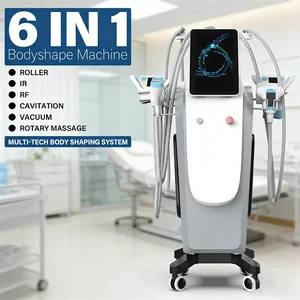
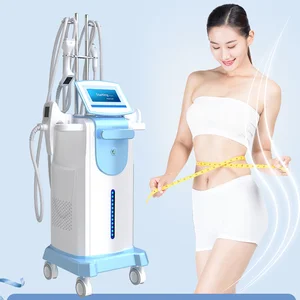
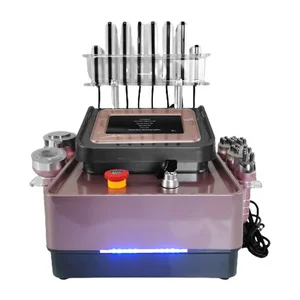
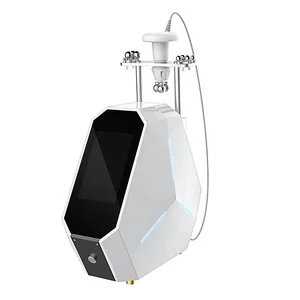
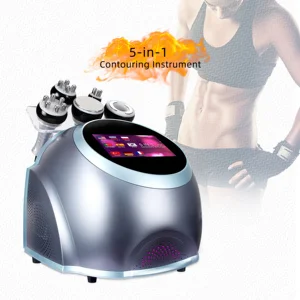
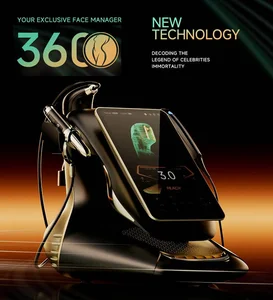
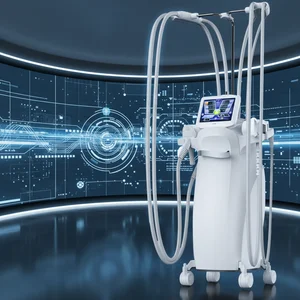
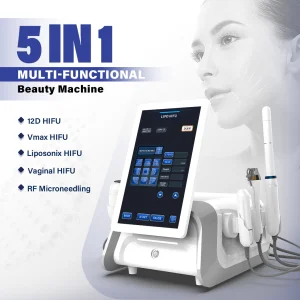
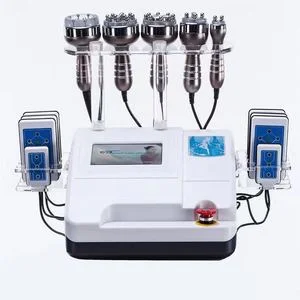
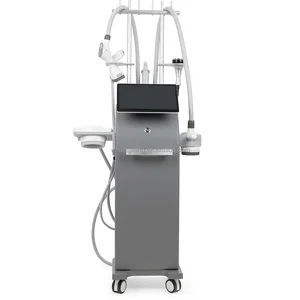
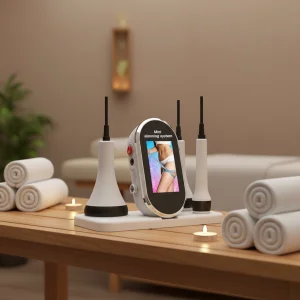
A full range of professional cavitation, radio frequency, vacuum rollers, and HIFU systems designed for international markets and adapted for Nigerian distributors.
 OneSe Beauty