OneSe Beauty
1 / 5

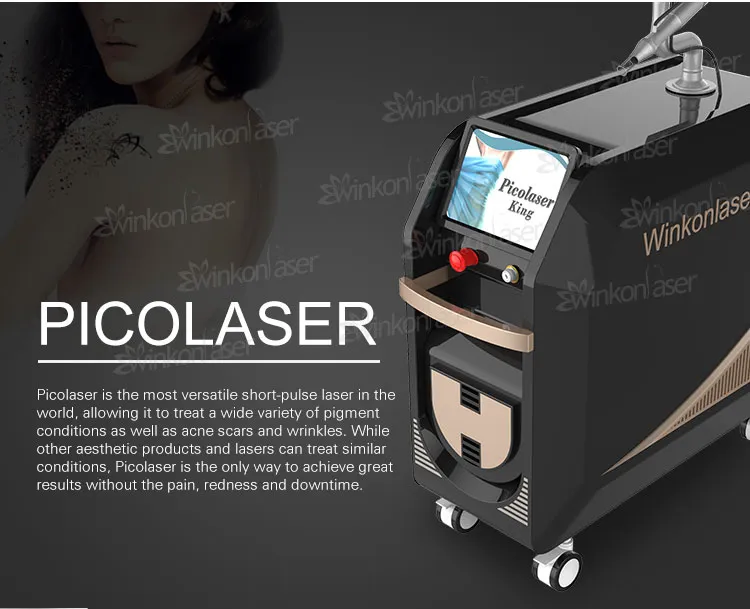
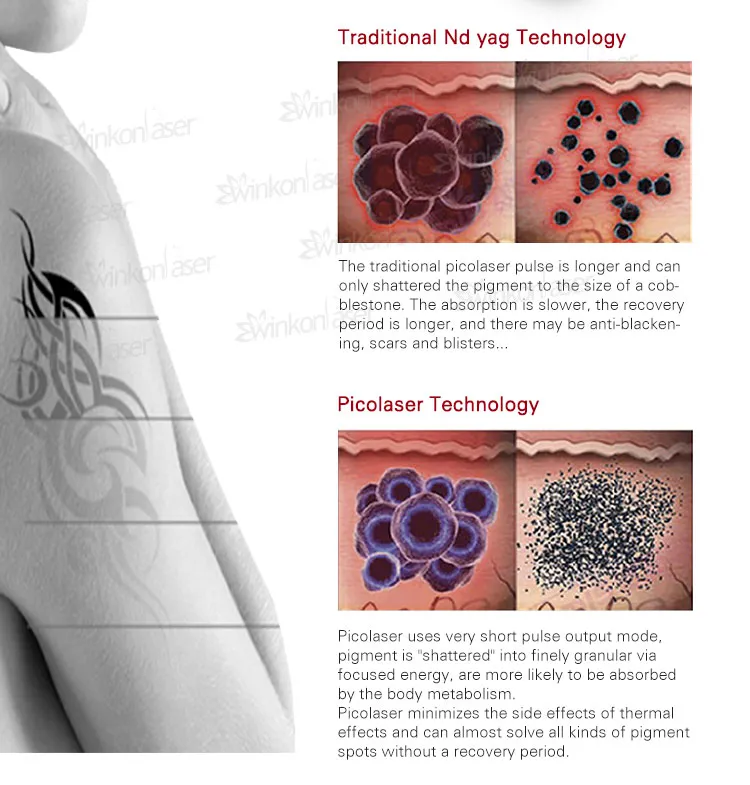
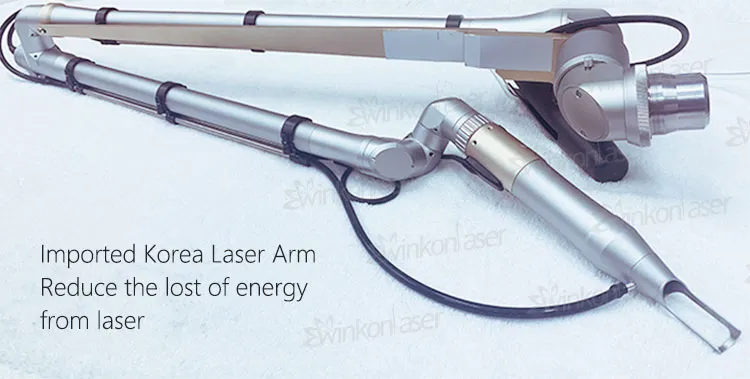
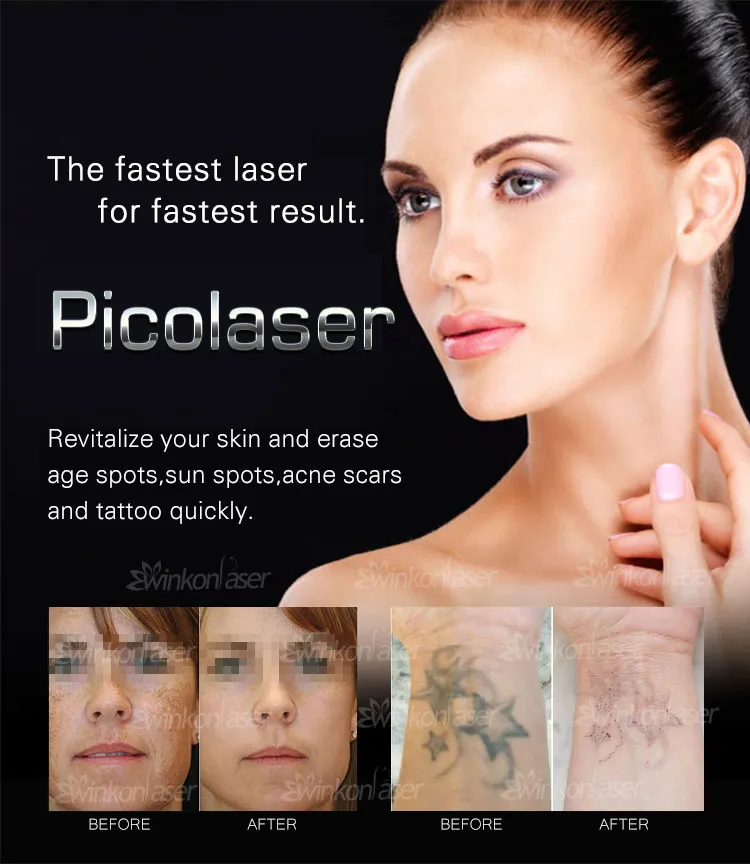
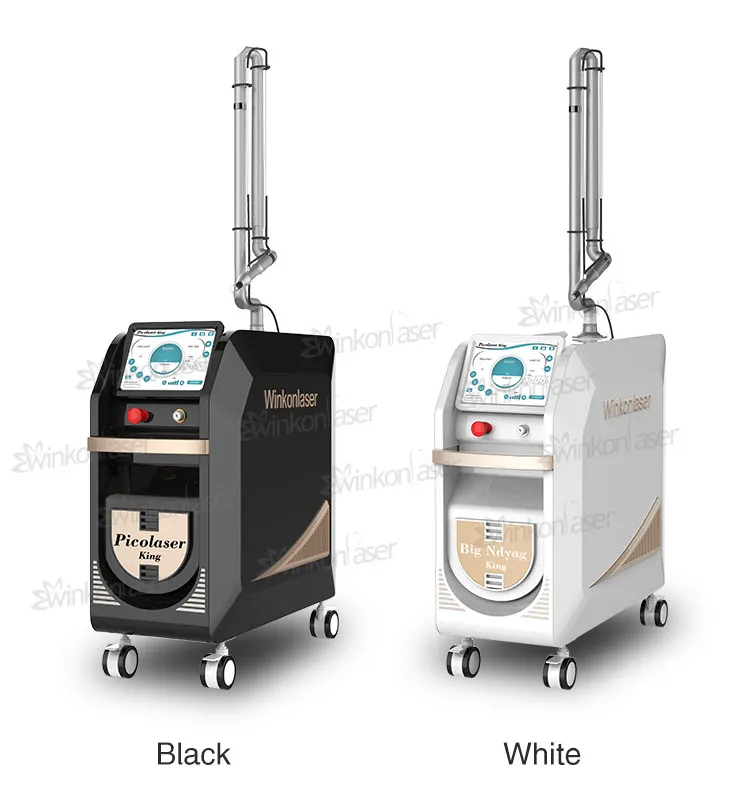



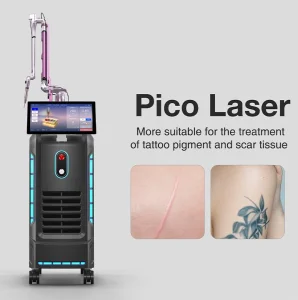
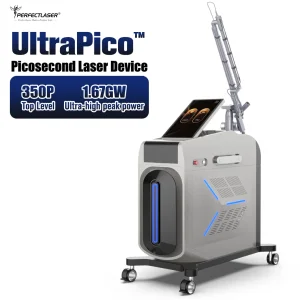
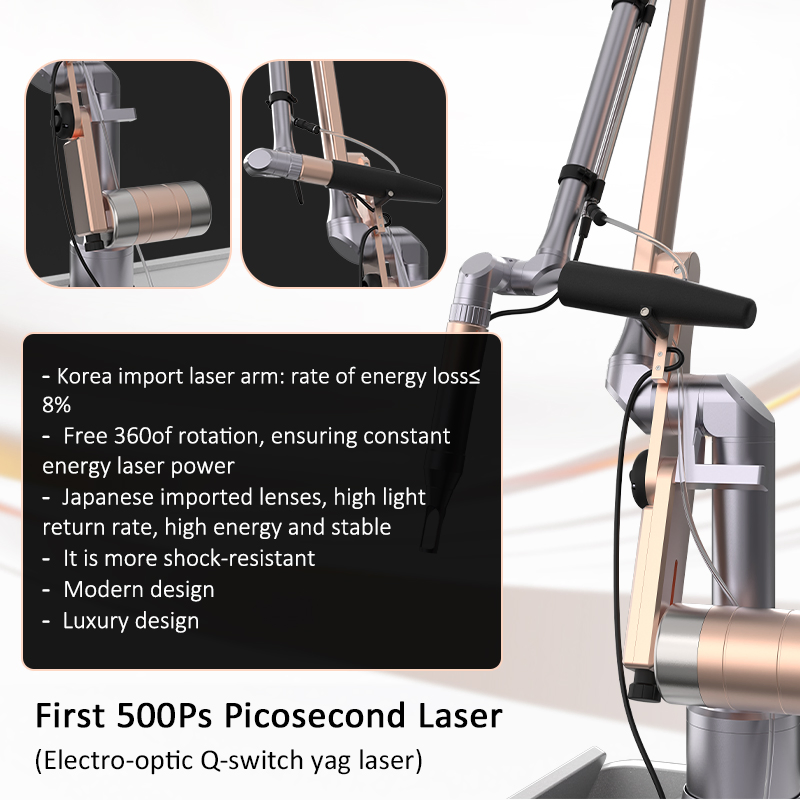
It delivers ultra-short pulses of energy to the skin in trillionths of a second. This rapid speed creates an intense photomechanical impact that shatters target pigments into tiny, dust-like particles, which are then naturally and easily processed and eliminated by the body.
Picosecond pulse widths are 100 times shorter than traditional nanosecond Q-Switched technology. This allows for a more effective photomechanical breakdown of pigment with lower energy, requiring fewer treatment sessions while minimizing thermal injury to the surrounding healthy skin.
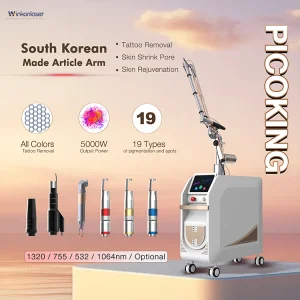
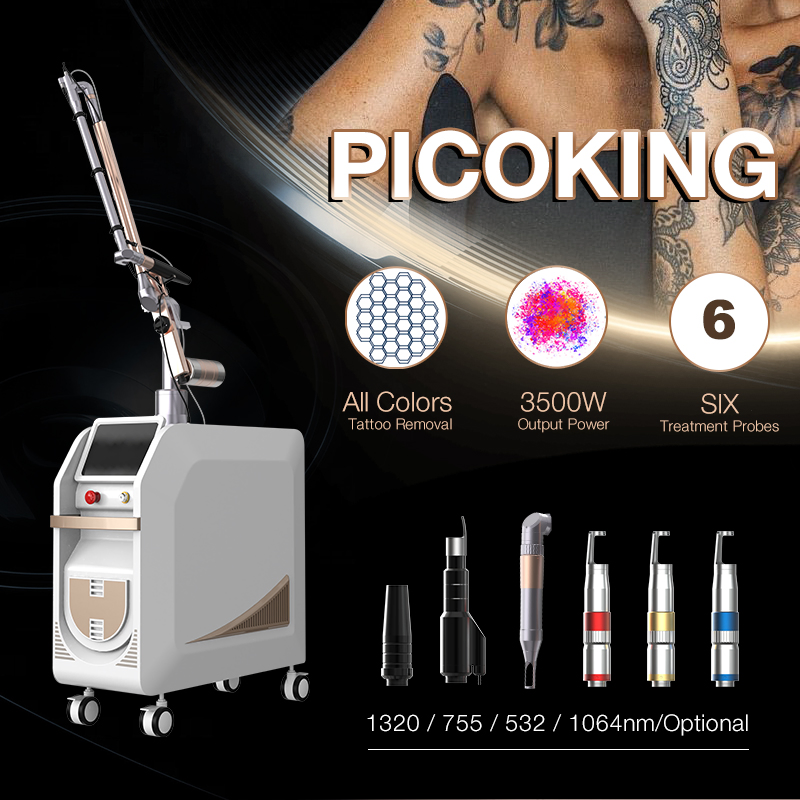
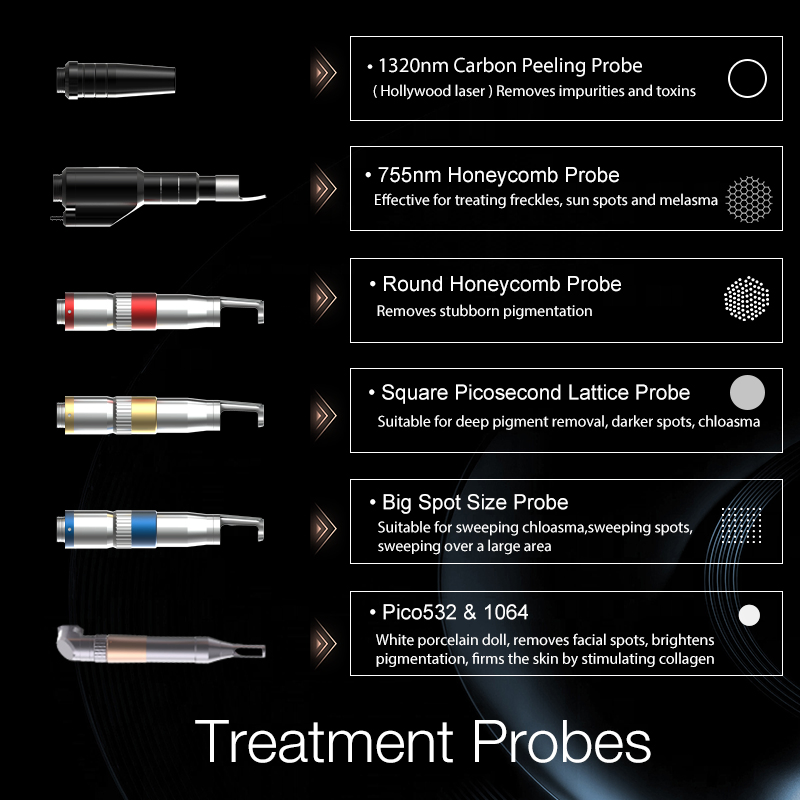
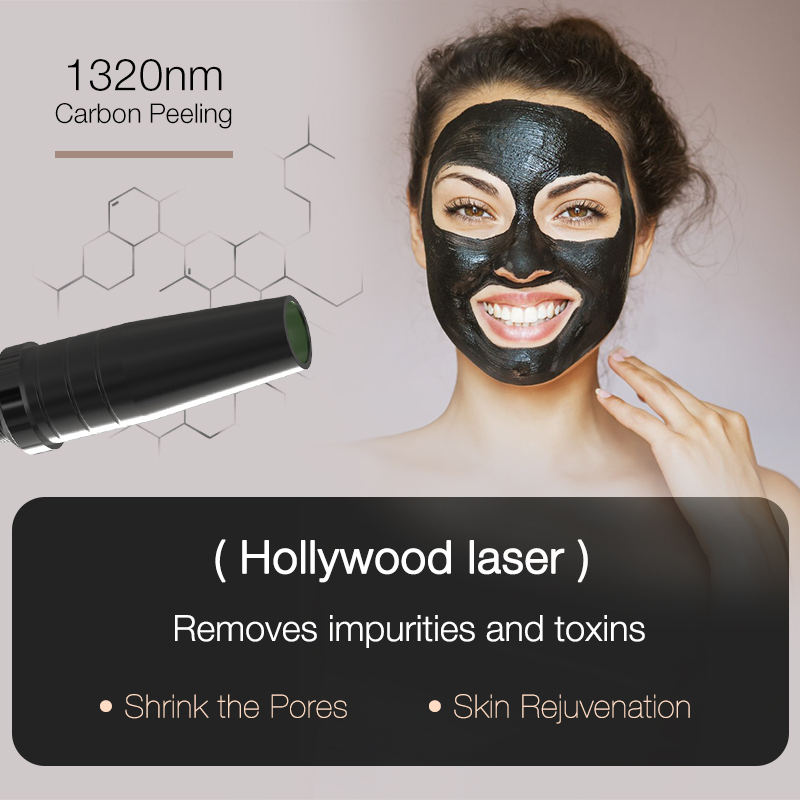
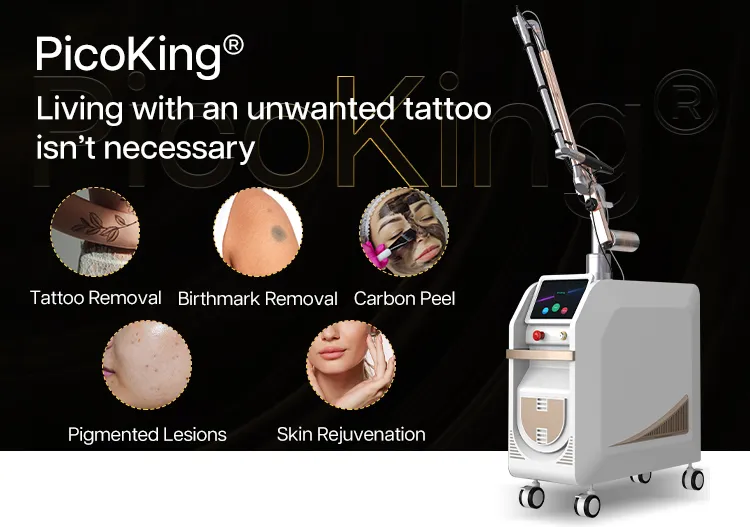
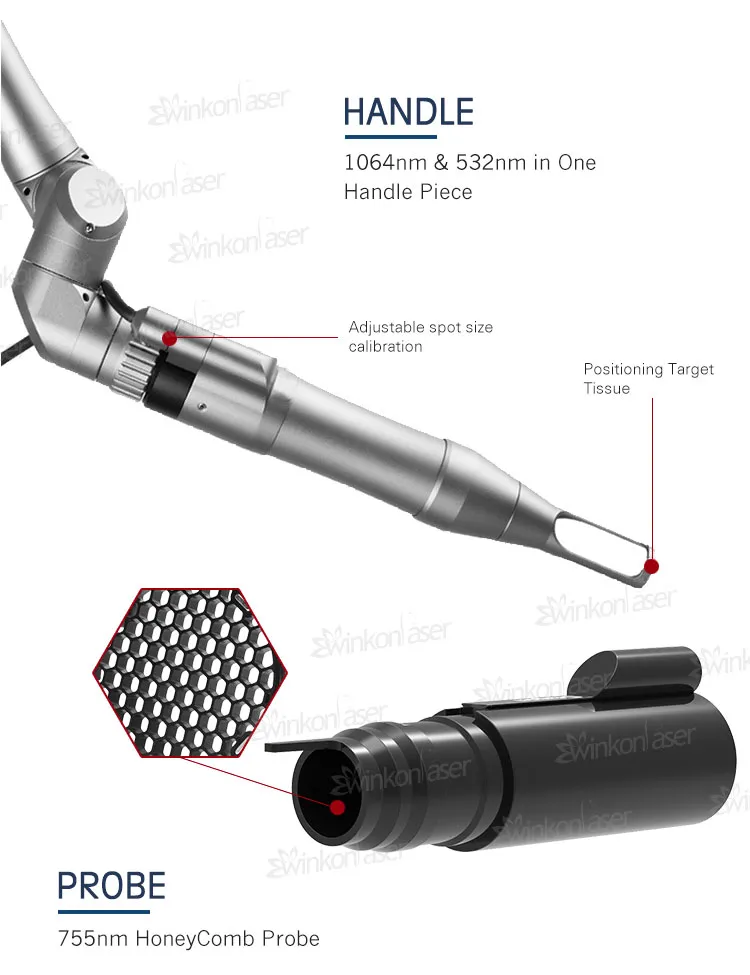
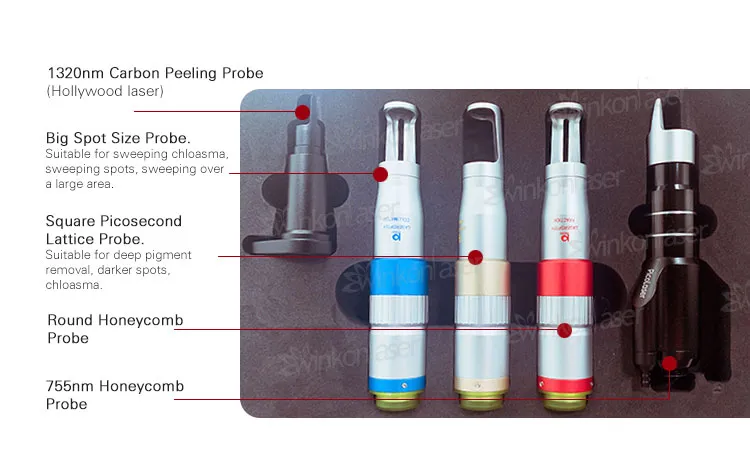
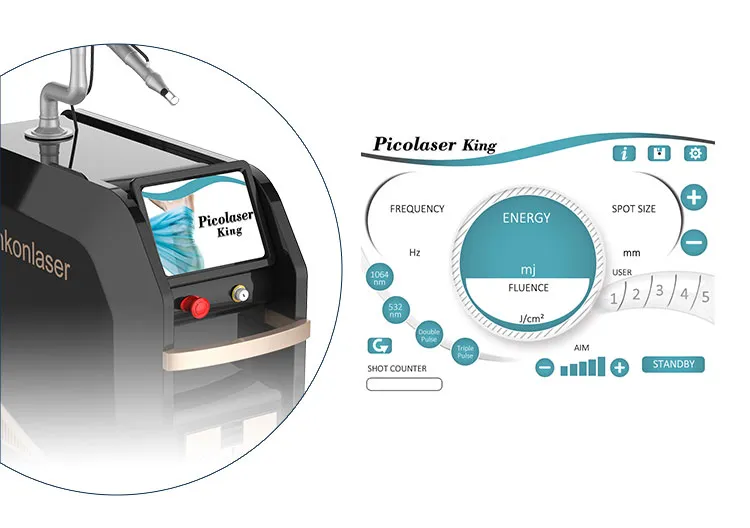
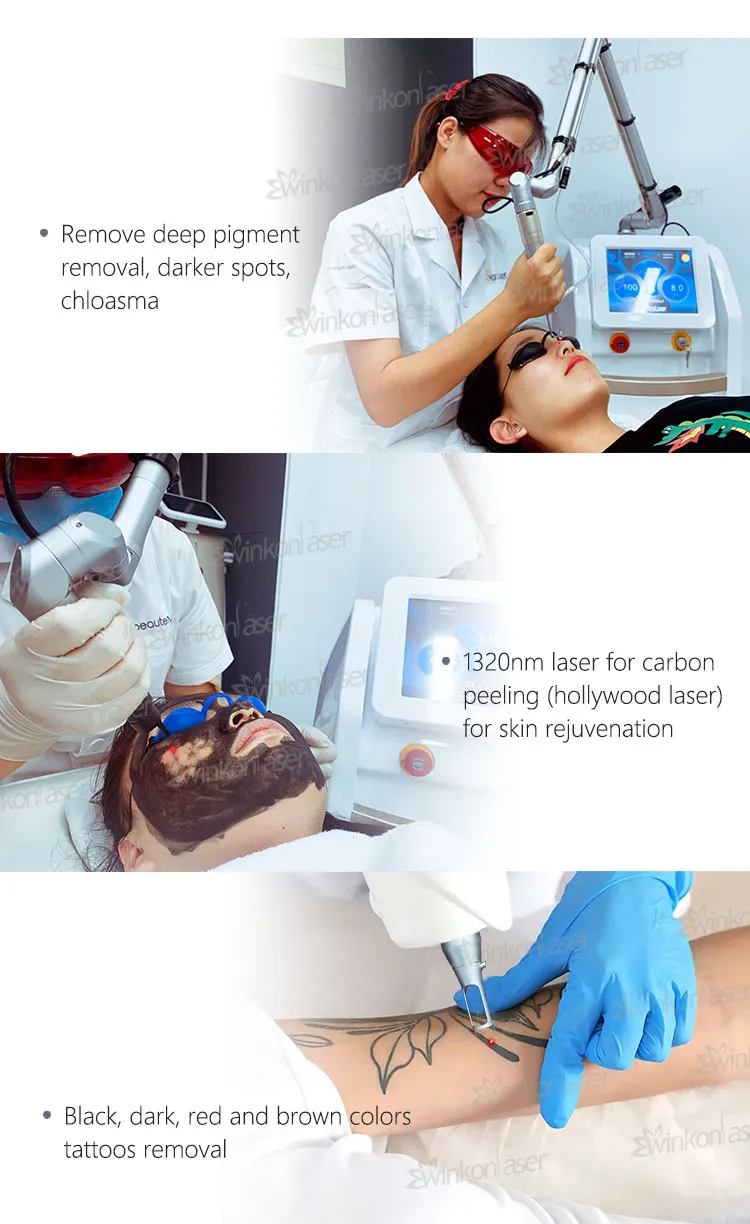
This system is equipped with multiple wavelengths (such as 755nm, 1064nm, 532nm, and 1320nm), making it highly effective for removing all color tattoos, as well as cosmetic tattoos like eyeliner and liplines.
Yes. Besides tattoo and pigment removal, it is widely used for skin whitening, wrinkle removal, skin rejuvenation, and targeting issues like senile plaques, freckles, sunburn spots, and chloasma.
Downtime is minimal compared to older laser generations. Patients may experience mild redness or slight swelling immediately following the procedure, which typically subsides within a few hours to a couple of days.
Yes, because the laser operates with ultra-short pulses, the thermal heat generated is extremely low. This significantly reduces the risk of hyperpigmentation and thermal damage, making the treatment highly safe and reliable.