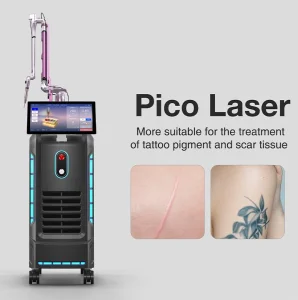
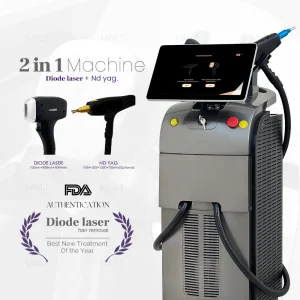
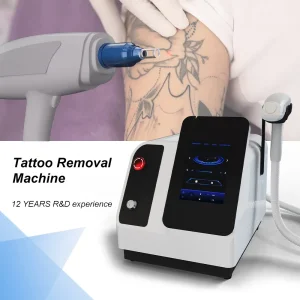
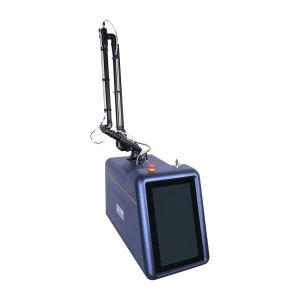
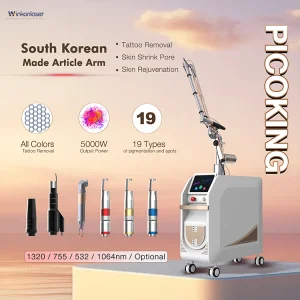
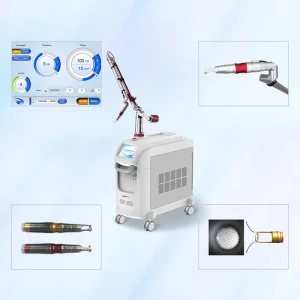
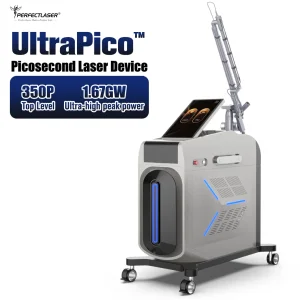
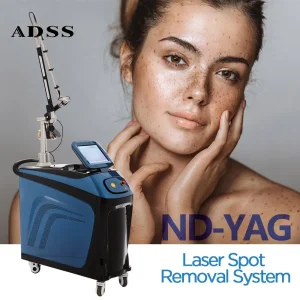
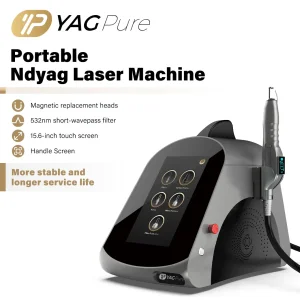
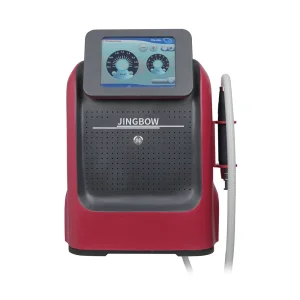
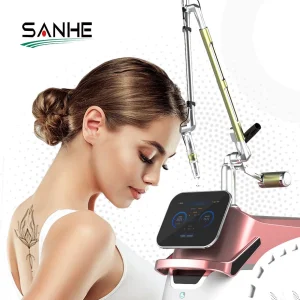
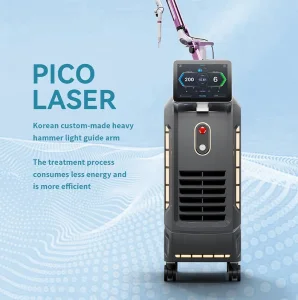
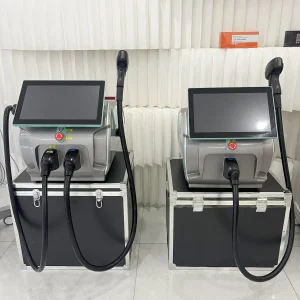
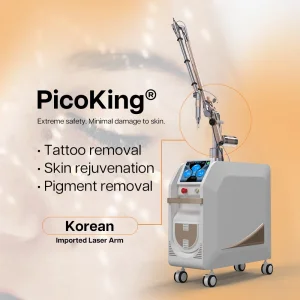
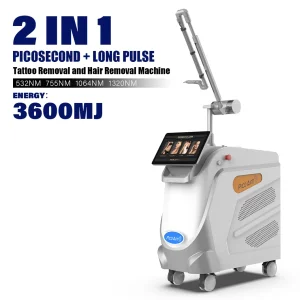
Premium clinical tattoo removal lasers optimized for thermal efficiency and diverse pigment profiles, now shipping directly to Dili with comprehensive remote deployment support.
Timor-Leste's aesthetic medicine and dermatological market is experiencing a profound transformation. In urban centers, most notably the capital city of Dili, Baucau, and Liquiçá, demographic trends indicate a growing demand for advanced laser-based skin treatments. Historically, body ornamentation and tattooing have carried deep cultural and personal expressions in Southeast Asia and the Pacific. However, the rise of modern professional structures, corporate dress-code alignments, public service enlistment, and evolving personal lifestyles have catalyzed a rapid surge in the demand for clean skin profiles. This shift has placed local clinics, spa operators, and wellness centers in a position of immediate need for high-end, clinically proven laser tattoo removal machines.
From a dermatological standpoint, servicing the Timor-Leste population requires specific optical design and energy profiles. The local demographic primarily presents Fitzpatrick Skin Types III to VI. High-melanin skin types are significantly more vulnerable to thermal damage, post-inflammatory hyperpigmentation (PIH), and keloid scarring if subjected to sub-optimal laser technologies. Traditional long-pulse lasers or low-cost systems with fluctuating energy output present severe clinical risks. For clinical safety and therapeutic success, local practitioners must employ advanced Q-switched and picosecond Nd:YAG technologies. These systems allow for precise, target-specific photomechanical destruction of tattoo inks while leaving the surrounding epidermal tissue completely intact.
"Medical professionals operating in tropical microclimates face double the challenge: handling sensitive skin phototypes while maintaining high optoelectronic performance under high-humidity, high-temperature environmental conditions. Our laser architectures are tailored precisely to solve these issues."
The gold standard for ink eradication involves two primary laser configurations: Q-Switched Nd:YAG (operating in the nanosecond range) and Picosecond Lasers.
Q-Switched Nd:YAG Lasers (1064nm / 532nm): These systems deliver pulses in the nanosecond range (e.g., 10ns to 12ns). At 1064nm, the light penetrates deeply into the dermis, targeting black, dark blue, and grey inks. Because this wavelength has low absorption in melanin, it represents the safest option for darker skin profiles common in Timor-Leste. The frequency-doubled 532nm wavelength targets superficial pigments, specifically warm tones like red, orange, and yellow.
Picosecond Laser Technology (350ps to 755nm/1064nm): Representing the pinnacle of aesthetic laser engineering, picosecond lasers discharge energy at speeds measured in trillionths of a second. This incredibly narrow pulse duration restricts the thermal energy diffusion process, converting the laser beam into a high-pressure photomechanical shockwave. Instead of heating and burning the ink pigment (which carries high risk of scarring in Fitzpatrick type V skin), the picosecond energy shatters the pigment into microscopic "dust" particles. These micro-particles are cleared much faster by the body's lymphatic system, reducing the number of required clinical sessions by 40% to 50% compared to traditional nanosecond systems.
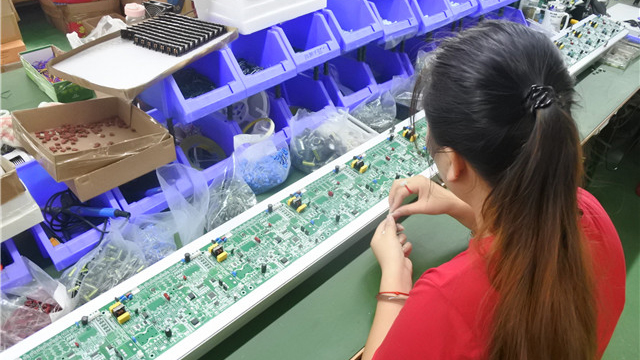
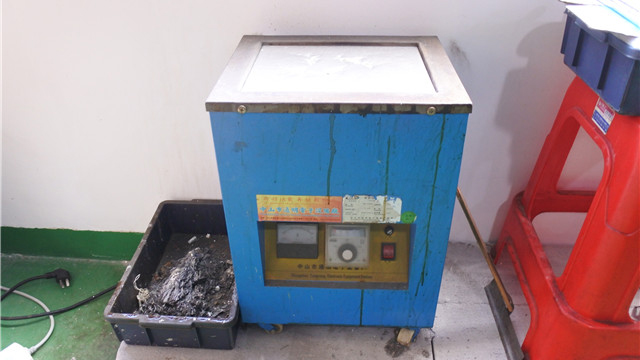
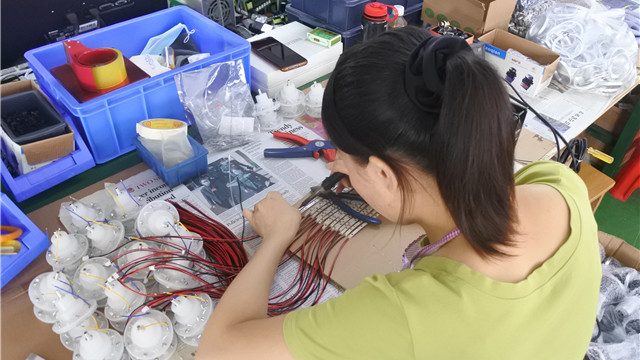
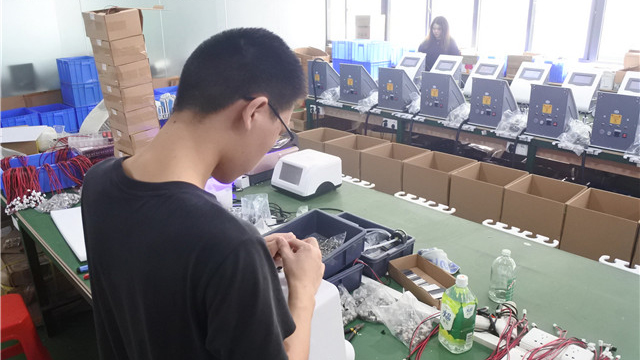
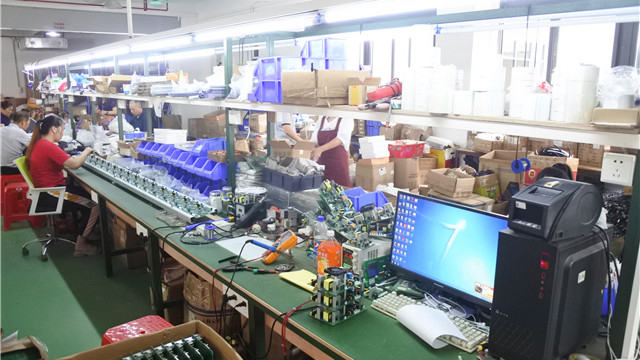
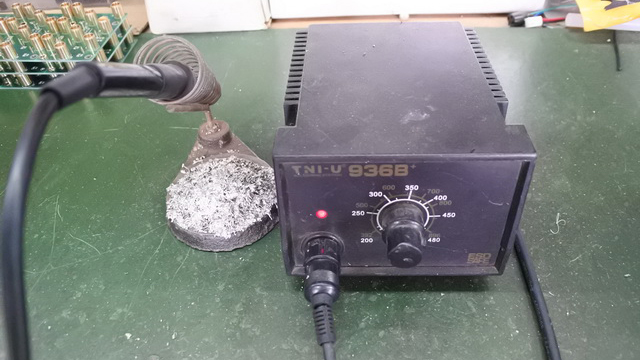
Shanghai OneSe Beauty Co., Ltd. follows a strict 11-step manufacturing workflow to guarantee clinical device safety, energy output consistency, and long-term durability in tropical climates.
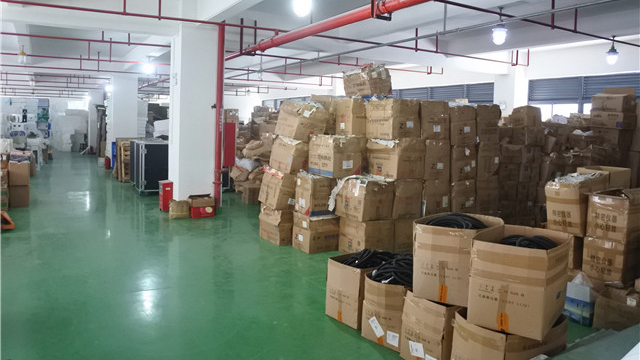
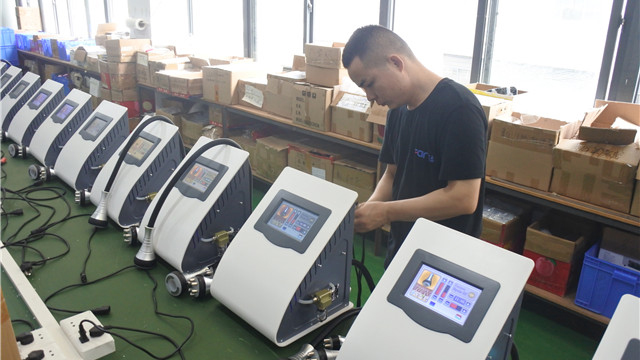
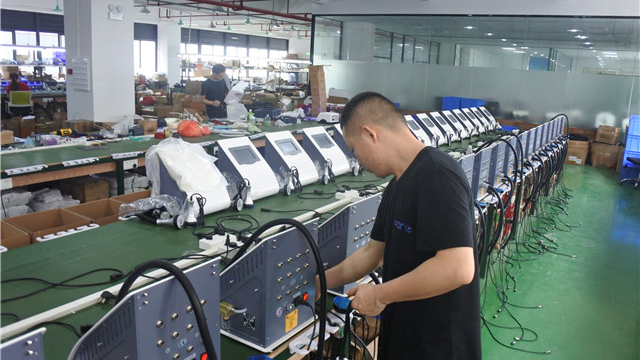
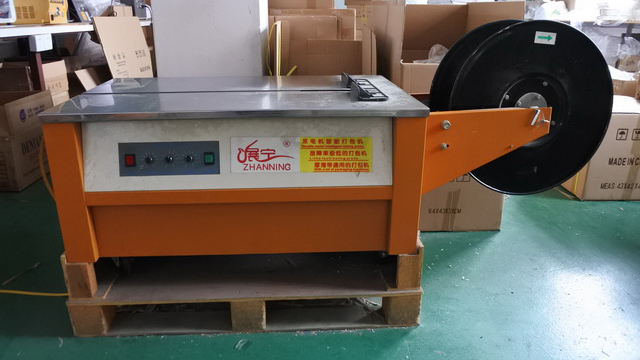
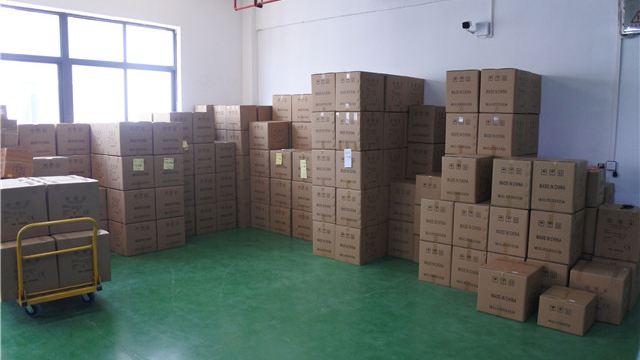
Distributing sensitive optoelectronic aesthetic machines to Dili requires deep logistical expertise and regulatory awareness. Shanghai OneSe Beauty Co., Ltd. has established secure shipping corridors to accommodate the specific infrastructural conditions of Timor-Leste.
Ocean Freight via Port of Dili / Tibar Bay: For clinics planning multi-system setups or large spa rollouts, ocean container freight provides the most cost-effective solution. We manage transshipments through regional hubs in Singapore and Surabaya, handling maritime customs documents, bills of lading, and certificate packages to ensure smooth clearance at the Dili Customs Authority (Alfândega de Timor-Leste).
Expedited Air Freight: For time-sensitive business expansions, we ship devices via air cargo into Presidente Nicolau Lobato International Airport (DIL). By coordinating with major carriers, we keep delivery times from our Shanghai factory to your clinic door in Dili within 7 to 12 business days, including full tracking and customs prep.
Climatic Adaptation: Timor-Leste has a tropical climate marked by high humidity and temperatures that often exceed 35°C. Electronic components and laser cavities can degrade rapidly under these conditions. To prevent moisture damage, all OneSe Beauty machines shipped to Timor-Leste feature hermetically sealed optoelectronic cavities, anti-corrosive internal framing, and industrial-grade thermoelectric cooling (TEC) systems paired with dual copper radiators. This guarantees continuous, uninterrupted clinical operation, even during peak tropical afternoons.
We understand that the lack of local biomedical laser engineers in Timor-Leste can make clinic owners hesitant to invest in high-tech imports. To address this, Shanghai OneSe Beauty Co., Ltd. has developed the OneSe Remote Assurance System.
Modular Service Architecture: Our laser devices are built with a plug-and-play modular layout. The optical power supply, control board, water cooling cycle, and laser handpiece operate as independent modules. If a component experiences an issue, our engineering team in Shanghai can diagnose it remotely. We then ship a pre-calibrated replacement module via DHL Express, allowing your local technician or salon manager to easily swap it out in under 15 minutes by following our step-by-step video guides.
Clinical Certification and Training: Every purchase includes a complete, digital training course. We provide clinical protocols, energy settings matrices based on skin type, handpiece positioning training, and sanitation guidelines. Live video sessions with our clinical trainers ensure your staff becomes fully certified and comfortable operating the technology.
Essential operational, clinical, and logistical guidance for procurement officers and clinic owners in Timor-Leste.
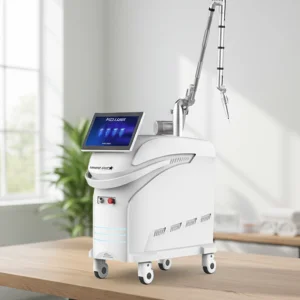
Explore our full line of professional systems, featuring multi-wavelength capabilities and advanced skin cooling technologies.
 OneSe Beauty